
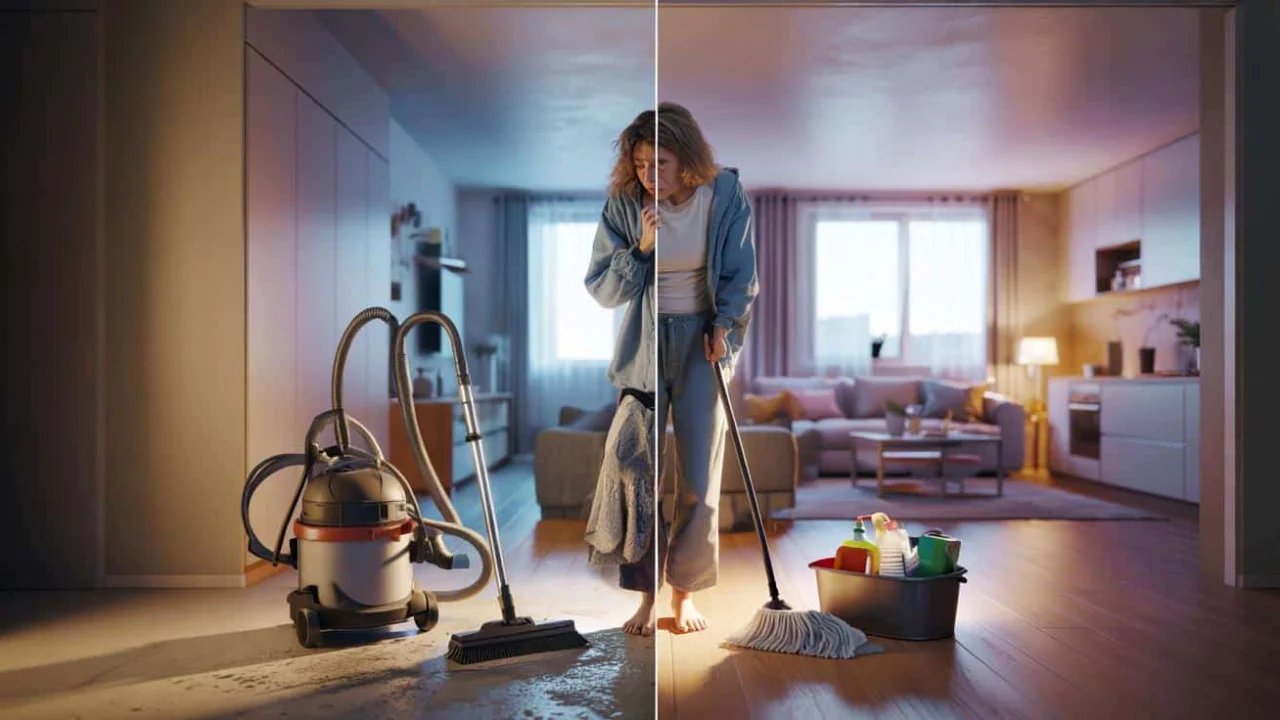
The vacuum cleaner wheezed its final breath right there in my hallway, plastic hose split open like a broken promise. I stared at it, exhausted and frustrated, realizing this was the third cleaning tool I’d killed in six months. My steam mop had died after one epic Sunday session. The microfiber mop handle snapped during a marathon kitchen cleanup. Even my trusty spray bottles gave up their triggers after particularly intense deep-cleaning binges.
Standing there surrounded by dust bunnies and broken dreams, something clicked. What if I wasn’t unlucky with cleaning equipment? What if I was the problem?
That’s when I made a decision that changed everything about how I maintain my home and my cleaning tools. I stopped trying to clean everything at once.
Why Marathon Cleaning Sessions Destroy Your Equipment
We’ve all been there – that Saturday morning surge of motivation where you decide today is THE day. You’ll tackle every room, scrub every surface, and transform your home into a magazine-worthy paradise by dinnertime. The reality? These cleaning marathons are equipment killers.
“Most household cleaning tools are designed for regular, moderate use spread over time,” explains home maintenance expert Sarah Chen. “When we push them through hours of continuous operation, we’re essentially forcing them to work beyond their intended capacity.”
Think about it: your vacuum’s motor isn’t meant to run for three straight hours. Those spray bottle triggers aren’t built to be squeezed 500 times in one morning. And that poor mop? It’s drowning in dirty water, being wrung out repeatedly until the fibers give up completely.
The pattern became crystal clear when I looked at my cleaning equipment graveyard. Every broken tool could be traced back to one of my “power cleaning” sessions where I’d pushed everything to its absolute limit.
The Hidden Costs of Cleaning Everything at Once
Beyond the obvious equipment failures, marathon cleaning sessions create a cascade of problems that most people never connect to their cleaning habits. Here’s what really happens when we try to do everything at once:
- Rushed movements lead to accidents: Knocking over chemical bottles, banging tools into walls, dropping equipment down stairs
- Overuse of cleaning products: When we’re tired, we spray more, scrub harder, and use way more product than necessary
- Poor equipment care: No time to properly rinse, dry, or store tools between tasks
- Mixing incompatible chemicals: In the cleaning frenzy, we grab whatever’s closest without thinking
- Ignoring warning signs: Strange noises, overheating, or unusual smells get overlooked in the rush
“I see this pattern constantly,” says professional house cleaner Maria Rodriguez, who’s been in business for 15 years. “Clients who try to cram a week’s worth of cleaning into one day always have the most equipment problems and end up spending more money replacing things.”
| Cleaning Tool | Average Lifespan (Marathon Cleaning) | Average Lifespan (Spread Out) | Common Failure Points |
|---|---|---|---|
| Vacuum Cleaner | 18-24 months | 4-6 years | Motor overheating, hose cracks |
| Steam Mop | 8-12 months | 2-3 years | Heating element, warped mop heads |
| Spray Bottles | 3-6 months | 2+ years | Trigger mechanism, nozzle clogs |
| Microfiber Mops | 6-9 months | 18-24 months | Handle breaks, head deterioration |
How Proper Cleaning Equipment Maintenance Actually Works
The solution isn’t buying more expensive tools – it’s changing how we use the ones we have. After my vacuum died that day, I completely restructured my approach to cleaning and equipment care.
Instead of one massive cleaning day, I now tackle different areas throughout the week. Monday is bathrooms, Tuesday is floors, Wednesday is dusting. This approach has been a game-changer for both my sanity and my equipment.
Here’s what proper cleaning equipment maintenance looks like in practice:
- Use tools for shorter periods: 30-45 minutes max per session instead of 3-4 hour marathons
- Clean your cleaning tools: Rinse mops thoroughly, empty vacuum canisters after each use, wipe down handles
- Allow proper drying time: Don’t stuff wet mops in closets or coil damp vacuum cords
- Store equipment properly: Hang spray bottles upright, store vacuums with hoses unkinked
- Regular maintenance checks: Look for wear signs, replace filters, check for loose parts
“The biggest mistake people make is treating their cleaning tools like disposable items,” notes appliance repair specialist Tom Harrison. “With proper care and reasonable use, most household cleaning equipment should last years, not months.”
The Real-World Impact of Smarter Cleaning
Six months after changing my approach, the results speak for themselves. My current vacuum is still going strong. The steam mop that replaced my broken one shows no signs of wear. Even my spray bottles have kept their triggers intact.
But the benefits go beyond equipment longevity. Spreading cleaning tasks throughout the week means I’m never overwhelmed by a massive to-do list. Each task gets proper attention, and I actually do a better job because I’m not rushing through everything.
The financial impact has been significant too. Instead of replacing broken equipment every few months, I’m investing in quality tools that last. My cleaning supply costs have dropped because I’m not panic-buying replacements or overusing products in frenzied cleaning sessions.
Perhaps most importantly, I’ve learned to work with my equipment instead of against it. Reading instruction manuals isn’t boring anymore – it’s equipment maintenance insurance. Understanding how tools are designed to work helps me use them more effectively and keep them running longer.
“When people shift from marathon cleaning to consistent, moderate use, they often cut their equipment replacement costs by 60-70%,” explains household budget expert Janet Kim. “It’s one of those simple changes that adds up to real savings over time.”
FAQs
How often should I clean my cleaning equipment?
After every use for basic maintenance like emptying vacuum canisters and rinsing mops. Do deeper cleaning weekly, like washing microfiber cloths and checking for clogs.
What are the warning signs that I’m overusing my cleaning tools?
Strange noises, overheating, unusual smells, visible wear on moving parts, or decreased performance. These usually appear after intensive cleaning sessions.
Is it worth investing in more expensive cleaning equipment?
Quality matters, but how you use your tools matters more. A $50 vacuum used properly will outlast a $200 vacuum that’s abused during marathon cleaning sessions.
How do I break the marathon cleaning habit?
Start by assigning different cleaning tasks to different days. Focus on one room or one type of task per session rather than trying to clean everything at once.
What’s the ideal length for a cleaning session?
Most experts recommend 30-45 minutes maximum. This gives you enough time to complete meaningful tasks without overworking your equipment or burning yourself out.
Should I let my cleaning tools air dry completely?
Yes, always. Storing damp equipment leads to mold, rust, and premature breakdown. Give everything proper drying time before putting it away.