
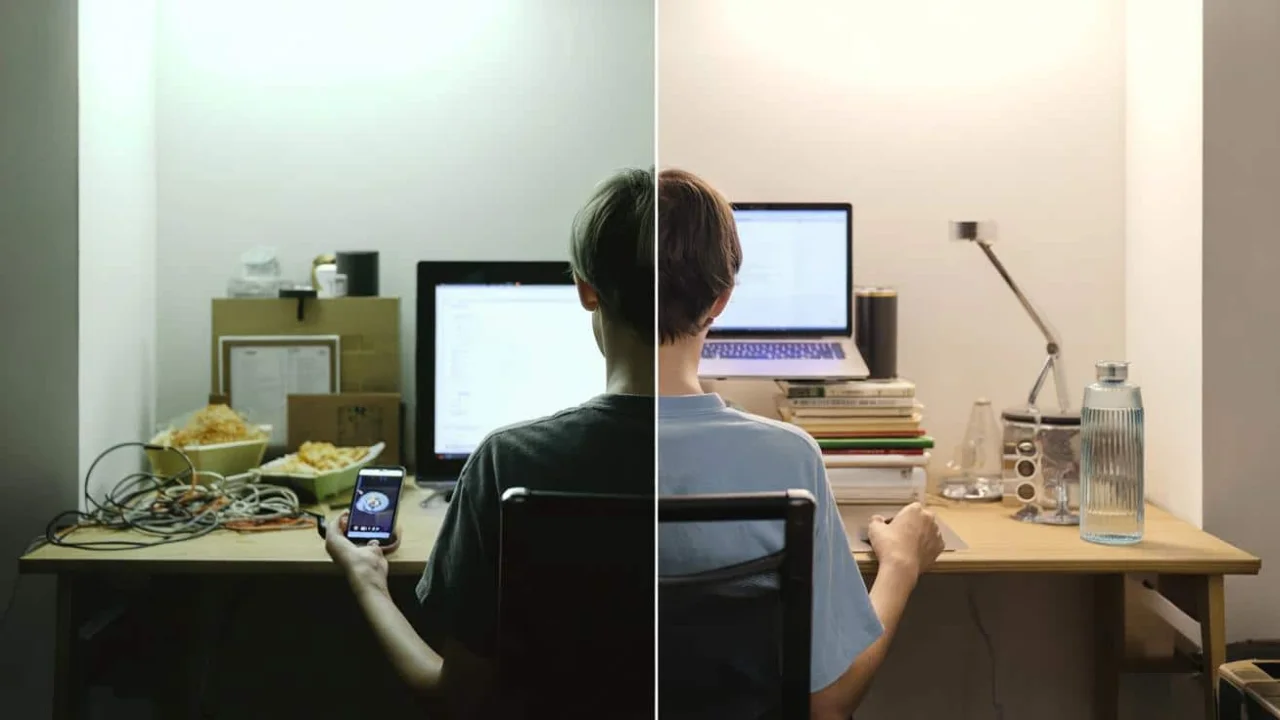
Sarah’s back started aching on a Tuesday. Nothing dramatic—just the familiar burn that comes from hunching over a laptop for eight hours straight. She rubbed her neck, promised herself she’d fix her posture tomorrow, and went back to scrolling her phone until midnight.
Six months later, she couldn’t remember what it felt like to sit without pain. Her shoulders lived in a permanent shrug, her eyes felt scratchy by noon, and sleep came in restless fragments. “I’m just getting older,” she told herself, reaching for another ibuprofen.
Then something shifted. Not because she joined a gym or bought an expensive mattress, but because she finally noticed how her daily habits were slowly destroying her comfort. The revelation was both frustrating and hopeful: she’d been making herself miserable, one small choice at a time.
Why Small Habits Matter More Than Big Changes
Most people think comfort requires major life overhauls—new furniture, different jobs, or expensive wellness retreats. But research from behavioral scientists shows that habits matter for comfort in ways we rarely recognize. Dr. James Clear, author of “Atomic Habits,” explains it simply: “You don’t rise to the level of your goals; you fall to the level of your systems.”
Your daily comfort isn’t determined by dramatic moments. It’s built through hundreds of micro-decisions: how you sit, when you look at screens, what you do before bed, and how often you move your body.
Consider this: if you spend eight hours a day at a desk, your posture habits compound into 2,920 hours per year. A small improvement in how you sit becomes massive over time. A tiny worsening becomes chronic pain.
“People underestimate how much their environment and habits shape their physical experience,” says Dr. Michael Roizen, Chief Wellness Officer at Cleveland Clinic. “We focus on treating discomfort after it happens, instead of preventing it through better daily practices.”
The Hidden Habits That Sabotage Your Daily Comfort
Most discomfort doesn’t announce itself with sirens. It creeps in through seemingly innocent moments that we convince ourselves don’t matter. You check your phone “just for a second” and end up doom-scrolling for twenty minutes. You skip lunch because you’re “too busy” and wonder why you crash at 3 PM.
Here are the most common comfort-sabotaging habits people don’t recognize:
- Screen posture drift: Starting with good posture but gradually slouching as you focus
- Dehydration creep: Forgetting to drink water until you have a headache
- Movement avoidance: Sitting for hours without standing or stretching
- Sleep boundary erosion: Gradually pushing bedtime later while keeping the same wake time
- Stress eating patterns: Using food for comfort instead of nourishment
- Digital overstimulation: Consuming information until your brain feels frazzled
The tricky part is that each instance feels harmless. One late night doesn’t ruin your sleep. One skipped meal doesn’t wreck your energy. One hour of bad posture doesn’t create chronic pain.
But these small compromises accumulate like compound interest, except instead of building wealth, you’re building discomfort.
| Habit | Immediate Effect | Compound Effect (1 Month) |
|---|---|---|
| Poor desk posture | Slight neck tension | Chronic neck and back pain |
| Late-night phone scrolling | Difficulty falling asleep | Disrupted sleep patterns, fatigue |
| Skipping water breaks | Mild dehydration | Headaches, brain fog, low energy |
| No movement breaks | Stiff muscles | Joint pain, reduced flexibility |
| Rushed eating | Mild indigestion | Poor digestion, unstable energy |
How Tiny Changes Transform Your Physical Experience
The good news is that positive habits matter for comfort just as much as negative ones. Dr. BJ Fogg, behavior scientist at Stanford, discovered that tiny changes often succeed where big ones fail because they don’t trigger our resistance to change.
Take Maria, a software developer who couldn’t shake her afternoon brain fog. Instead of attempting a complete lifestyle overhaul, she made one microscopic change: she set a timer to drink water every hour.
That single habit triggered a cascade of improvements. Better hydration led to clearer thinking. Clearer thinking made her notice when she was slouching. Better posture reduced her neck pain. Less pain improved her sleep quality. Better sleep gave her energy for evening walks.
“I didn’t set out to transform my entire life,” Maria says. “I just wanted to stop feeling like garbage by 3 PM. But once I realized how much control I actually had over my comfort, everything shifted.”
The Ripple Effects When Habits Matter for Comfort
When people discover that habits matter for comfort, the changes extend far beyond physical well-being. Improved comfort affects productivity, relationships, and mental health in surprising ways.
Dr. Matthew Lieberman, a neuroscientist at UCLA, explains: “Physical discomfort creates a constant background stress that depletes our cognitive resources. When we reduce that stress through better habits, we free up mental energy for creativity, problem-solving, and emotional regulation.”
People who prioritize comfort habits report:
- Better focus and productivity at work
- More patience with family members and colleagues
- Increased motivation for other healthy behaviors
- Improved mood and emotional stability
- Greater confidence in their ability to create positive change
The psychological impact might be the most significant. When you realize you can influence your daily comfort through small, manageable changes, you stop feeling like a victim of circumstance. You become the architect of your own well-being.
“People think comfort is selfish or indulgent,” says Dr. Kristin Neff, a researcher on self-compassion. “But when you’re more comfortable, you’re more available to others. You’re not constantly distracted by physical discomfort or depleted by poor habits.”
Building Your Own Comfort-First Habit System
The key to making habits matter for comfort is starting smaller than you think you need to. Pick one tiny change that feels almost too easy to fail. Master that before adding anything new.
Here’s a simple framework for building comfort habits:
- Anchor new habits to existing routines: Stretch while your coffee brews, not “sometime during the day”
- Focus on consistency over intensity: Two minutes of movement beats an hour-long workout you’ll skip
- Track your comfort level, not just the habit: Notice how you feel before and after
- Celebrate small wins: Acknowledge when you choose comfort over convenience
- Adjust without judgment: If a habit isn’t working, modify it instead of abandoning it
Remember, you’re not trying to become a wellness guru overnight. You’re simply choosing to stop making your own life unnecessarily uncomfortable.
FAQs
How long does it take for comfort habits to make a noticeable difference?
Most people notice small improvements within a week and significant changes within 3-4 weeks of consistent practice.
What if I forget to do my new habit?
Missing a day doesn’t ruin your progress—just restart the next day without self-criticism. Consistency matters more than perfection.
Should I change multiple habits at once?
Start with one tiny habit and master it before adding others. Multiple changes at once often lead to giving up entirely.
How do I know which comfort habit to prioritize first?
Choose the area where you feel the most daily discomfort—usually posture, hydration, or sleep habits.
What if my work environment makes comfort habits difficult?
Focus on micro-habits that work within your constraints, like proper breathing, gentle neck rolls, or mindful drinking water.
Is it normal to feel resistance when starting new comfort habits?
Yes, your brain prefers familiar patterns even when they cause discomfort. Start with changes so small they feel effortless to bypass this resistance.