
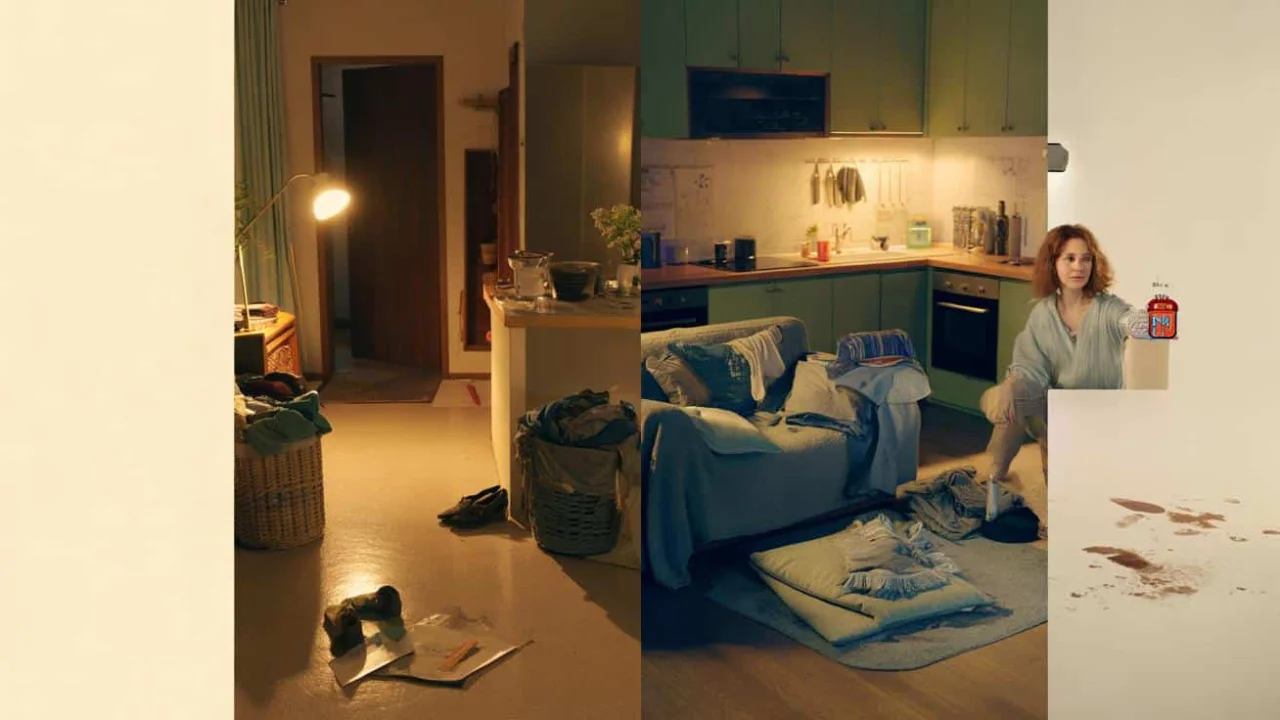
The morning I snapped, the dishwasher was beeping, the laundry basket was overflowing, and there was a mysterious sticky spot on the kitchen floor I kept stepping in. I stood in the middle of my living room, hands on hips, convinced the whole house needed a brutal deep clean. Walls, baseboards, window tracks, grout with a toothbrush — the full punishment.
Instead, I grabbed my phone, typed “professional deep cleaning cost” into Google, and felt my stomach drop at the prices. My place wasn’t filthy, just constantly unsettled. Stuff migrated from room to room, surfaces filled up overnight, and any cleaning I did seemed invisible twelve hours later.
That afternoon, something small shifted. Not the furniture. Me. And it started with a habit I’d spent years rolling my eyes at.
The real problem wasn’t dirt, it was drift
When you feel like your home always needs a deep clean, what you’re really feeling is mental noise. Visual clutter, half-finished chores, objects that never fully “live” anywhere. You wipe the counters, but the mail is still homeless. You vacuum, but the shoes still pile next to the door like a small, confused army.
That’s the exhaustion — not the dust.
I used to walk into my apartment and do a slow scan, seeing every little thing that was “off.” Instead of feeling safe, the space felt like a to-do list taped to my forehead. The floors weren’t the enemy. The absence of daily house cleaning habits was.
“Most people think they need more intensive cleaning when what they actually need is more consistent habits,” says home organization specialist Maria Rodriguez. “A 15-minute daily reset will always beat a 4-hour weekend marathon.”
One Sunday, fed up with my own complaining, I decided to test something I’d read a thousand times: a genuine nightly reset. Not a “quick tidy if I have energy.” A non-negotiable, 15-minute, set-a-timer ritual.
The life-changing habit that replaced deep cleaning
I picked 9:15 p.m. as my magic time. For two weeks, no excuses. I put on a podcast, set the timer, and moved room to room like a slow, slightly resentful Roomba. Dishes into the dishwasher. Blankets folded. Shoes back in the closet. Counters cleared, not cleaned. Just cleared.
On day three, something strange happened. I woke up and my kitchen looked exactly like I left it. No chaos bloom overnight. Just calm.
The key house cleaning habits that transformed my space weren’t about scrubbing harder. They were about resetting consistently. Here’s what my 15-minute routine looked like:
- Kitchen: Load dishwasher, wipe counters, put items back where they belong
- Living room: Fold throw blankets, return remote controls to basket, clear coffee table
- Bedroom: Make bed if not done, put clothes in hamper or closet
- Bathroom: Hang towels properly, put toiletries back in place
- Entryway: Line up shoes, hang jackets, deal with mail
“The magic isn’t in the cleaning products or techniques,” explains professional organizer David Chen. “It’s in the daily practice of returning things to their home before chaos has time to multiply.”
Why this beats weekend deep cleaning marathons
Before adopting consistent house cleaning habits, I lived in a cycle of neglect and panic. Monday through Friday, I’d let things slide. Saturday morning, I’d wake up to what felt like a disaster zone and spend hours trying to catch up.
The weekend cleaning sessions were exhausting because I wasn’t just cleaning — I was also deciding where everything belonged, all while feeling overwhelmed by the sheer volume of tasks.
| Old Pattern (Weekend Marathon) | New Pattern (Daily Reset) |
|---|---|
| 3-4 hours every Saturday | 15 minutes every evening |
| Overwhelming and stressful | Manageable and routine |
| House messy 5 days, clean 2 | House consistently tidy |
| Decision fatigue while cleaning | Automatic actions |
| Dreaded the weekend cleanup | Barely notice the daily routine |
The breakthrough moment came in week two when I realized I wasn’t cleaning anymore — I was maintaining. There’s a huge psychological difference between those two activities.
“Maintenance feels light because you’re working with order, not against chaos,” notes home efficiency expert Sarah Kim. “When you maintain daily, you never lose control of your space.”
The ripple effect nobody talks about
Three months into my new house cleaning habits, something unexpected happened. I stopped procrastinating on other things too. When your physical environment feels controlled, decision-making gets easier everywhere else.
I started meal prepping because my kitchen stayed clear. I exercised more because I wasn’t spending mental energy on weekend cleaning marathons. I had people over more often because my place was always “company ready” with just five extra minutes of attention.
The financial impact surprised me too. I stopped buying duplicate items because I could actually find things. No more emergency grocery runs for dish soap I already owned but couldn’t locate. No more paying late fees because bills weren’t buried under random papers.
My sleep improved because my bedroom felt calm instead of chaotic. Mornings became smoother because I wasn’t hunting for clean clothes or tripping over shoes.
“When your home systems work automatically, it frees up mental bandwidth for everything else in your life,” explains behavioral psychologist Dr. James Peterson. “People underestimate how much cognitive load a disorganized space creates.”
Making the habit stick when motivation fades
The first week felt like punishment. By week two, it felt neutral. By week three, skipping it felt wrong — like forgetting to brush my teeth.
The secret was making it non-negotiable and ridiculously specific. Not “tidy up before bed” but “set timer at 9:15 p.m., start in kitchen, end in entryway.” The specificity removed all decision-making from the equation.
I also paired it with something I enjoyed: my favorite podcast or upbeat music. The 15 minutes started feeling less like work and more like a transition ritual between my day and evening.
When friends visit now, they ask what cleaning service I use. The answer is none. I just spend 15 minutes each evening maintaining what I have instead of spending entire weekends trying to recover from what I’ve lost.
The house doesn’t need deep cleaning when it never gets deeply dirty. It just needs consistent, gentle attention — exactly like most good things in life.
FAQs
How long does it take for the daily reset to become automatic?
Most people report it feeling natural after 2-3 weeks of consistent practice.
What if I miss a day or two?
Just restart without guilt. The habit gets stronger each time you return to it.
Should I do this even when I’m exhausted?
Yes, but adjust the time limit. Even 5-10 minutes of basic resetting prevents chaos from building up.
What’s the best time of day for the reset routine?
Most people find evening works best, but choose whatever time you can consistently maintain.
Does this replace all other house cleaning habits?
No, you’ll still need weekly tasks like vacuuming and bathroom deep cleaning, but they become much easier to manage.
What if I live with messy roommates or family members?
Start with just your personal spaces and belongings. Often others will naturally follow your lead over time.