
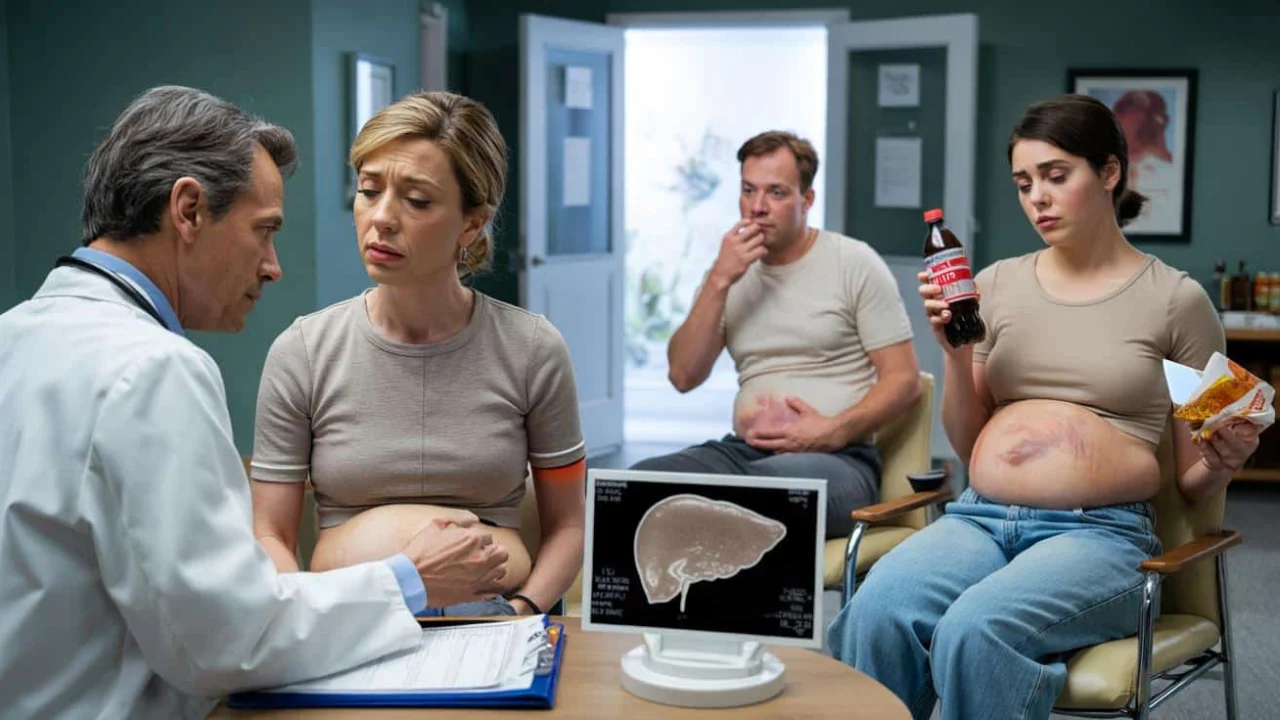
Sarah thought she was just getting older. At 42, she’d started feeling this bone-deep tiredness that didn’t go away after her usual eight hours of sleep. Her stomach felt bloated most afternoons, and she’d developed what she called “the afternoon slump” – a mental fog so thick she could barely focus on emails.
When her annual physical revealed elevated liver enzymes, she was shocked. “But I barely drink,” she told her doctor. The ultrasound came back showing fatty deposits in her liver. Sarah had fatty liver disease, and like millions of Americans, she’d been living with warning signs for years without realizing what they meant.
Her hepatologist wasn’t surprised. “Most people don’t connect these everyday symptoms to their liver,” he explained. “The liver is remarkably good at doing its job even when it’s struggling, but it does send signals. We just need to know how to listen.”
Why fatty liver disease flies under the radar for so long
Fatty liver disease affects nearly 100 million Americans, yet most people discover it by accident during routine blood work or imaging for something else entirely. The condition develops when fat builds up in liver cells, and while it can be caused by heavy alcohol use, the most common form today is non-alcoholic fatty liver disease (NAFLD).
“The liver doesn’t have pain receptors like other organs,” explains Dr. Michael Chen, a hepatologist at Northwestern Medicine. “By the time someone feels actual liver pain, the disease has usually progressed significantly. The early signs are much more subtle.”
Unlike a heart attack or broken bone, fatty liver disease doesn’t announce itself with dramatic symptoms. Instead, it whispers through changes in energy, digestion, and overall well-being that most people attribute to stress, aging, or just being busy.
The real challenge? These warning signs are so common and seemingly unrelated that both patients and doctors often overlook them during routine visits.
The six warning signs hepatologists want you to know
After treating hundreds of patients with fatty liver disease, Dr. Chen has identified six key warning signs that people consistently miss or dismiss:
| Warning Sign | What It Feels Like | Why People Ignore It |
|---|---|---|
| Persistent Fatigue | Bone-deep tiredness that doesn’t improve with rest | Blamed on stress, age, or poor sleep |
| Abdominal Bloating | Fullness or swelling in the upper right abdomen | Attributed to overeating or digestive issues |
| Brain Fog | Difficulty concentrating or mental cloudiness | Dismissed as normal aging or busy lifestyle |
| Unexplained Weight Gain | Gradual weight increase, especially around the middle | Blamed on metabolism changes or decreased activity |
| Digestive Changes | Nausea, loss of appetite, or feeling full quickly | Thought to be stress-related or dietary |
| Sleep Disturbances | Poor sleep quality or feeling unrefreshed upon waking | Attributed to stress or getting older |
“The tricky thing about these symptoms is that they’re all so common,” notes Dr. Chen. “Everyone gets tired, everyone deals with stress, and everyone’s metabolism changes as they age. But when you have multiple symptoms persisting for months, that’s when we need to dig deeper.”
The fatigue associated with fatty liver disease has a particular quality that sets it apart from normal tiredness. Patients describe it as feeling exhausted even after a full night’s sleep, or needing multiple cups of coffee just to feel alert enough for basic tasks.
Brain fog is another frequently overlooked sign. “Patients tell me they feel like they’re thinking through molasses,” says Dr. Chen. “Simple decisions take longer, they lose their train of thought mid-sentence, or they read the same paragraph three times without absorbing it.”
Who’s really at risk and what you can do about it
While fatty liver disease can affect anyone, certain groups face higher risks. People with type 2 diabetes, those carrying extra weight around their midsection, and individuals with metabolic syndrome are particularly vulnerable. But the disease also strikes people who appear perfectly healthy on the outside.
“I’ve seen marathon runners with fatty liver disease,” Dr. Chen reveals. “Being thin doesn’t make you immune. Genetics, insulin resistance, and even certain medications can contribute to fat accumulation in the liver.”
The good news? Fatty liver disease is often reversible, especially when caught early. Unlike many other liver conditions, you can actually heal fatty liver damage through lifestyle changes:
- Losing even 5-10% of body weight can significantly reduce liver fat
- Regular exercise improves insulin sensitivity and helps the liver process fats more effectively
- Reducing refined sugars and processed foods takes pressure off the liver
- Limiting alcohol intake gives the liver time to recover and repair
- Managing underlying conditions like diabetes helps prevent further liver damage
“The liver is incredibly forgiving,” notes Dr. Chen. “I’ve seen patients reverse years of fatty liver disease in just six to twelve months with consistent lifestyle changes. The key is recognizing the problem exists in the first place.”
If you’re experiencing multiple warning signs, especially persistent fatigue combined with bloating or brain fog, consider asking your doctor about liver function tests. A simple blood panel measuring liver enzymes can provide valuable insights, and an ultrasound can detect fatty deposits in the liver.
Early detection and intervention can prevent fatty liver disease from progressing to more serious conditions like liver fibrosis or cirrhosis. More importantly, addressing fatty liver disease often improves overall health, energy levels, and quality of life in ways that extend far beyond the liver itself.
FAQs
Can you have fatty liver disease without being overweight?
Yes, people of normal weight can develop fatty liver disease due to genetics, insulin resistance, or certain medical conditions.
How long does it take to reverse fatty liver disease?
With consistent lifestyle changes, many people see improvements in liver function within 6-12 months.
Is fatty liver disease serious?
While early-stage fatty liver disease is reversible, it can progress to liver fibrosis, cirrhosis, or liver cancer if left untreated.
What blood tests detect fatty liver disease?
Liver function tests measuring enzymes like ALT and AST can indicate liver problems, though imaging like ultrasound confirms fatty deposits.
Can medications cause fatty liver disease?
Yes, certain medications including some antibiotics, steroids, and chemotherapy drugs can contribute to fatty liver development.
Should I avoid all fats if I have fatty liver disease?
No, healthy fats from sources like olive oil, avocados, and fish are actually beneficial for liver health.