
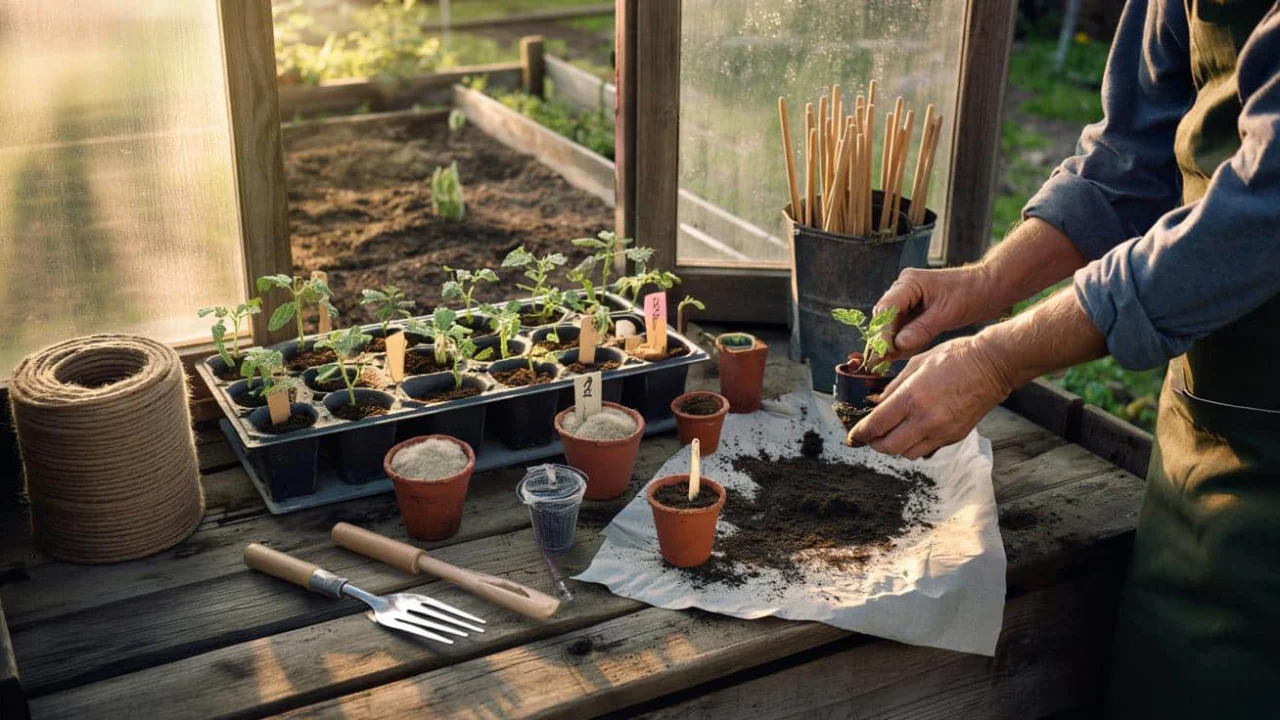
Marie’s grandmother always started her tomato sowing on March 19th, Saint Joseph’s Day. No exceptions. Rain or shine, she’d disappear into her tiny greenhouse with packets of seeds saved from last year’s best plants. By June, when neighbors were still nursing green cherry-sized tomatoes, Marie’s grandmother was already making her famous sauce with deep red beauties the size of tennis balls.
That wasn’t luck or superior soil. It was timing, pure and simple. She understood something many modern gardeners have forgotten: tomato sowing isn’t just about following the instructions on the seed packet.
Today, as grocery store tomatoes taste more like cardboard and less like summer memories, gardeners everywhere are rediscovering these old-fashioned techniques. The wisdom our grandparents took for granted might just hold the key to earlier harvests and better flavor.
Why the old-timers always got first pick of the season
Traditional tomato sowing methods weren’t complicated, but they were precise. While modern gardeners often wait for garden centers to stock seedlings, the old generation knew that starting from seed gave them complete control over timing.
The magic happened in those extra weeks of growing time. By starting seeds indoors when it was still cold outside, plants developed strong root systems and sturdy stems before facing outdoor challenges.
“Starting tomatoes six to eight weeks before your last frost date can easily give you a month’s head start on the harvest,” explains veteran gardener Thomas Bradford, whose grandfather’s techniques still guide his spring routine.
Those early tomatoes weren’t just about bragging rights. They ripened when the weather was still mild, before the scorching heat that can make tomatoes split or develop tough skins. The flavor was intense, concentrated, exactly what summer cooking demanded.
The traditional tomato sowing timeline that actually works
Old-school gardeners never guessed at timing. They developed a systematic approach based on decades of observation and careful record-keeping. Here’s how they calculated the perfect tomato sowing window:
| Climate Zone | Traditional Sowing Period | Last Frost Date | Expected First Harvest |
|---|---|---|---|
| Warm coastal areas | Mid-February | Early March | Late May to early June |
| Temperate regions | Mid-March | Mid to late April | Mid to late June |
| Cooler northern areas | Late March to early April | Mid to late May | Early to mid July |
| Short season areas | Early April | Early June | Mid to late July |
The secret wasn’t just the date itself, but what happened next. Traditional gardeners followed specific steps that modern seed packets often skip:
- Seeds were pre-soaked in lukewarm water for 24 hours
- Sowing happened in small containers, not large trays
- Seedlings were gradually hardened off over two full weeks
- Plants weren’t rushed outside until soil temperature reached 60°F consistently
- Young plants got protection from wind and cold snaps for the first month outdoors
“My father always said patience at the beginning saves disappointment at the end,” recalls Maria Santos, whose family has grown tomatoes in Portugal for four generations. “He would rather start one week late than lose plants to cold shock.”
What made their tomato sowing methods so foolproof
Traditional tomato sowing relied on observation, not just calendar dates. Experienced gardeners watched for natural signs that conditions were improving:
Daylight hours were the primary indicator. Once days consistently reached 11 hours of light, germination rates improved dramatically. Soil temperature mattered too – seeds sown when outdoor soil reached 50°F, even under protection, sprouted faster and stronger.
Old-timers also understood variety selection in ways that many modern gardeners miss. They chose determinate varieties for early crops and indeterminate types for extended harvests. Short-season varieties went in first, followed by main-season types two weeks later.
“The biggest mistake I see now is people trying to grow everything at once,” observes retired agricultural extension agent Robert Chen. “The old way was to stagger plantings and mix varieties for continuous harvests from June through October.”
Their seed-starting containers were smaller than what most gardeners use today. Individual cells or small pots prevented root competition and made transplanting less stressful for young plants.
How this affects your garden’s success this year
Modern gardeners can adapt these traditional tomato sowing techniques with remarkable results. The principles remain sound: start early enough to give plants time to develop, but not so early that they become root-bound or stretched from insufficient light.
The biggest change you’ll notice is harvest timing. Instead of waiting until August for decent tomatoes, you could be picking ripe fruit by late June or early July. That early harvest period often produces the best-flavored tomatoes before summer heat becomes overwhelming.
Your success rate improves too. Plants that start life slowly, with proper timing and gradual transitions, handle outdoor stress much better than rushed seedlings. They’re less likely to suffer transplant shock, bolt to flower prematurely, or struggle with temperature swings.
The financial benefits add up quickly. Tomato seedlings at garden centers cost $3-5 each, while a packet of quality seeds produces 20-30 plants for the same price. Early harvests also mean you’re eating your own tomatoes when store prices are still high.
Perhaps most importantly, you’ll discover flavors that commercial varieties simply can’t match. Heirloom varieties, passed down through generations of careful seed-saving, offer tastes and textures that disappeared from supermarket shelves decades ago.
FAQs
When exactly should I start tomato seeds indoors?
Count backward 6-8 weeks from your area’s average last frost date. In most temperate climates, this falls between mid-March and early April.
Can I still use old tomato seeds from previous years?
Yes, properly stored tomato seeds remain viable for 3-5 years. Test germination rates by sprouting a few seeds on damp paper towels before sowing your main crop.
What temperature do tomato seeds need to germinate?
Tomato seeds germinate best at soil temperatures between 70-80°F. Use a heating mat or place containers in a consistently warm location.
How do I know when seedlings are ready to transplant outside?
Wait until nighttime temperatures consistently stay above 50°F and soil temperature reaches 60°F. Plants should have 2-3 sets of true leaves and sturdy stems.
Should I start all my tomato varieties at the same time?
No, stagger plantings by variety type. Start determinate and early varieties first, then plant indeterminate and long-season types 1-2 weeks later for extended harvests.
What’s the most common mistake with early tomato sowing?
Starting seeds too early and then keeping seedlings indoors too long. This creates weak, stretched plants that struggle when finally transplanted outside.