
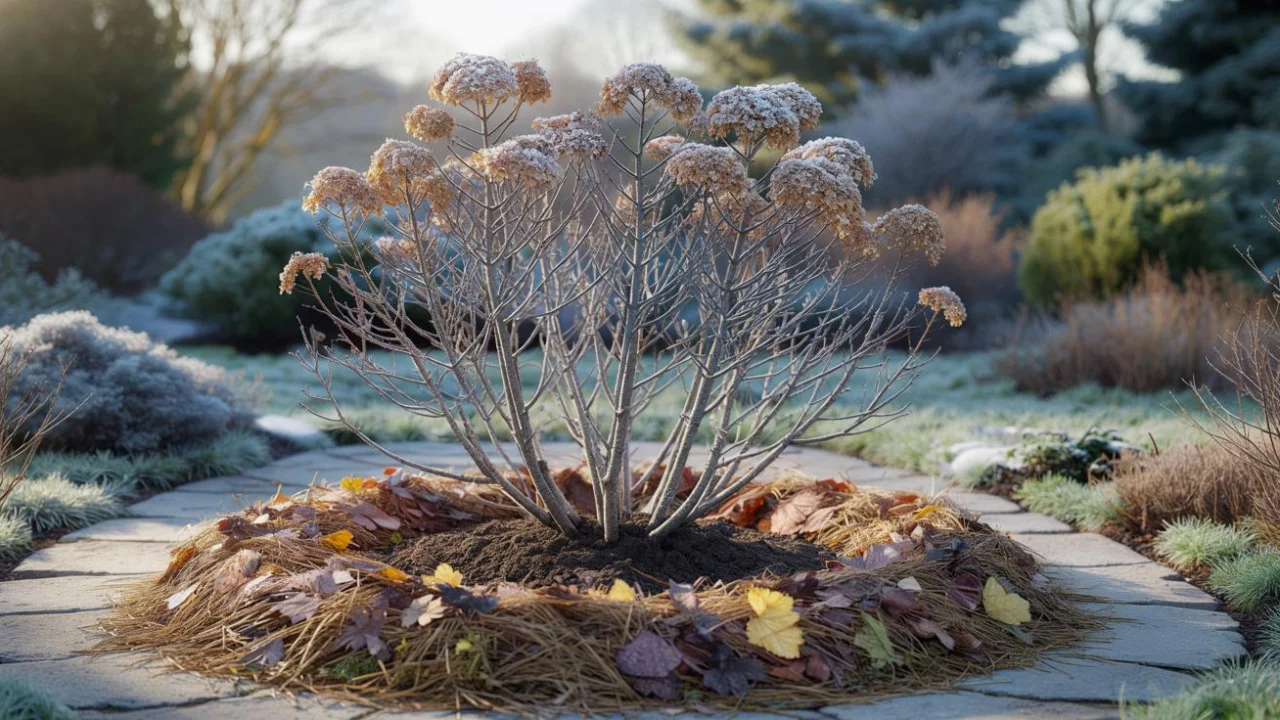
Sarah remembers staring out her kitchen window last February, watching her neighbor’s hydrangeas burst into spectacular blue blooms while her own remained stubbornly bare. Both gardens had received identical care all summer, yet come spring, one looked like a magazine cover while hers looked forgotten. The difference, she later discovered, wasn’t what happened in spring – it was what happened during those bitter January nights when most people stayed indoors.
That winter revelation changed everything about how Sarah approached hydrangea care. Now, three years later, her garden is the one neighbors stop to photograph, and the secret isn’t complicated fertilizers or expensive treatments.
It’s a simple winter habit that takes just minutes but makes all the difference between disappointment and dazzling blooms.
Why Winter Hydrangea Care Determines Your Spring Success
Most gardeners pack away their tools when frost arrives, assuming garden work stops until spring’s warmth returns. But hydrangeas operate on a different schedule entirely. Those seemingly lifeless brown stems are actually treasure chests, holding next summer’s flower buds formed at the end of last season.
The crucial period for winter hydrangea care spans from December through February, when these dormant buds face their greatest threat. A sharp freeze without protection can destroy months of the plant’s preparation work. Once those buds are damaged, no amount of spring attention will restore your flower display.
“The real decision about your hydrangea show happens in January, not in May at the garden center,” explains master gardener Patricia Chen. “Most people focus on spring care, but winter protection is what separates the spectacular displays from the disappointing ones.”
Professional landscapers understand this timing perfectly. While homeowners are indoors planning spring purchases, the pros are outside implementing winter hydrangea care strategies that guarantee results months later.
The Winter Protection Method That Changes Everything
The game-changing winter habit is surprisingly simple: strategic mulching combined with selective pruning restraint. Here’s exactly how to protect your hydrangeas during their most vulnerable months:
- Apply deep mulch around the base – Use 4-6 inches of shredded bark, leaves, or straw in a 3-foot circle around each plant
- Leave old flower heads intact – Those brown, papery blooms act as natural umbrellas protecting delicate buds below
- Avoid any pruning until March – Resist the urge to “tidy up” during winter months
- Check mulch depth monthly – Wind and rain can thin coverage, leaving roots vulnerable
- Add extra protection during extreme cold – Wrap shrubs with burlap when temperatures drop below -10°F
The mulching component is particularly critical. Hydrangea roots sit close to the surface, making them susceptible to freeze-thaw cycles that can damage the entire plant’s vascular system.
| Mulch Material | Insulation Level | Cost | Best For |
|---|---|---|---|
| Shredded Bark | Excellent | Medium | Long-term protection |
| Fallen Leaves | Good | Free | Budget-conscious gardeners |
| Pine Needles | Very Good | Low | Acidic soil preference |
| Straw | Good | Low | Quick application |
“I see more hydrangeas ruined by well-meaning winter pruning than by any pest or disease,” notes horticultural specialist Mark Rodriguez. “Those dead-looking stems are actually the plant’s survival system.”
Common Winter Mistakes That Kill Spring Blooms
Even experienced gardeners make critical errors during winter hydrangea care that sabotage their spring display. The most devastating mistake involves pruning at the wrong time.
Many gardeners grab their pruning shears the moment they see bare branches, assuming winter means cutting season for all plants. With hydrangeas, particularly the popular mophead varieties (Hydrangea macrophylla), this instinct destroys next year’s flowers.
These hydrangeas form their flower buds on “old wood” – stems that grew during the previous season. Winter pruning removes these buds and exposes fresh wounds to harsh weather. The plant then spends spring energy healing rather than blooming.
Another common error involves removing faded flower heads too early. Those brown, papery blooms might look unsightly, but they’re serving as natural protection for the tender buds forming below them.
“Think of old flower heads as tiny umbrellas,” explains garden designer Jennifer Walsh. “They shield the developing buds from wind, ice, and temperature swings that can kill next year’s blooms before they even start.”
The third major mistake is inadequate mulching or using the wrong materials. Thin mulch layers provide minimal protection, while materials like fresh grass clippings can create heat pockets that confuse the plant’s dormancy signals.
The Science Behind Winter Hydrangea Dormancy
Understanding what happens inside hydrangeas during winter helps explain why proper care matters so much. Unlike annuals that die completely, hydrangeas enter a complex dormancy state that requires specific conditions to maintain healthy flower bud development.
During fall, hydrangeas transfer energy from their leaves into their root systems and stem bases. This process creates the foundation for next year’s growth while forming protective compounds in the flower buds. These buds need consistent cool temperatures without extreme fluctuations to remain viable.
Proper winter hydrangea care maintains this delicate balance. Mulch provides steady soil temperatures, while leaving stems intact creates air pockets that moderate temperature swings around the crown.
When gardeners disturb this system through premature pruning or inadequate protection, the plant’s energy goes toward survival instead of flower development. The result is a healthy-looking shrub in spring that produces few or no blooms.
Regional Variations in Winter Care Strategies
Winter hydrangea care requirements vary significantly based on your climate zone, but the core principles remain consistent across regions. Northern gardeners face more extreme protection challenges, while southern growers deal with unpredictable temperature swings.
In zones 3-5, additional protection becomes essential. Wrapping shrubs with burlap creates a barrier against harsh winds while allowing air circulation. Some gardeners build temporary windscreens using stakes and fabric.
Zones 6-7 typically need standard mulching and pruning restraint, but should watch for surprise late freezes that can damage emerging buds in early spring.
Southern zones 8-9 face different challenges. Inconsistent winter temperatures can trigger premature bud break, making plants vulnerable to subsequent cold snaps. These regions benefit from lighter mulching and careful monitoring of soil moisture.
Signs Your Winter Care is Working
Successful winter hydrangea care shows subtle signs long before spring blooms appear. Healthy buds remain plump and green-tinged throughout winter, while damaged buds turn brown and shrivel.
Check your plants monthly during winter by gently scraping a small section of bark with your fingernail. Green tissue underneath indicates healthy, living stems, while brown or gray tissue suggests damage.
Well-mulched plants show minimal soil heaving around their base, indicating stable root zones. The mulch itself should remain relatively intact rather than scattered by wind or compressed by ice.
Come early spring, properly cared-for hydrangeas show strong bud swelling and green shoot emergence from multiple points along the stems. Poor winter care typically results in sparse new growth concentrated only at the base of the plant.
FAQs
When should I start winter hydrangea care?
Begin applying mulch in late November or early December, before the ground freezes hard. This timing allows roots to benefit from soil warmth retention.
Can I use plastic sheeting to protect hydrangeas?
Avoid plastic covers, which can trap moisture and create fungal problems. Breathable materials like burlap work better for winter protection.
How do I know if my hydrangea needs winter protection?
All hydrangeas benefit from basic winter care, but plants in exposed locations or zones 6 and colder need extra attention to ensure good flowering.
What if I already pruned my hydrangeas this winter?
Don’t panic – you may still get some blooms from new wood varieties, but fewer than normal. Focus on proper protection for the remaining stems.
Should I water hydrangeas during winter?
Only water if you experience an unusually dry winter and the ground isn’t frozen. Overwatering in winter can damage roots more than help.
When can I safely prune my hydrangeas?
Wait until late March or early April when you can clearly see which stems survived winter and identify any dead wood that needs removal.