
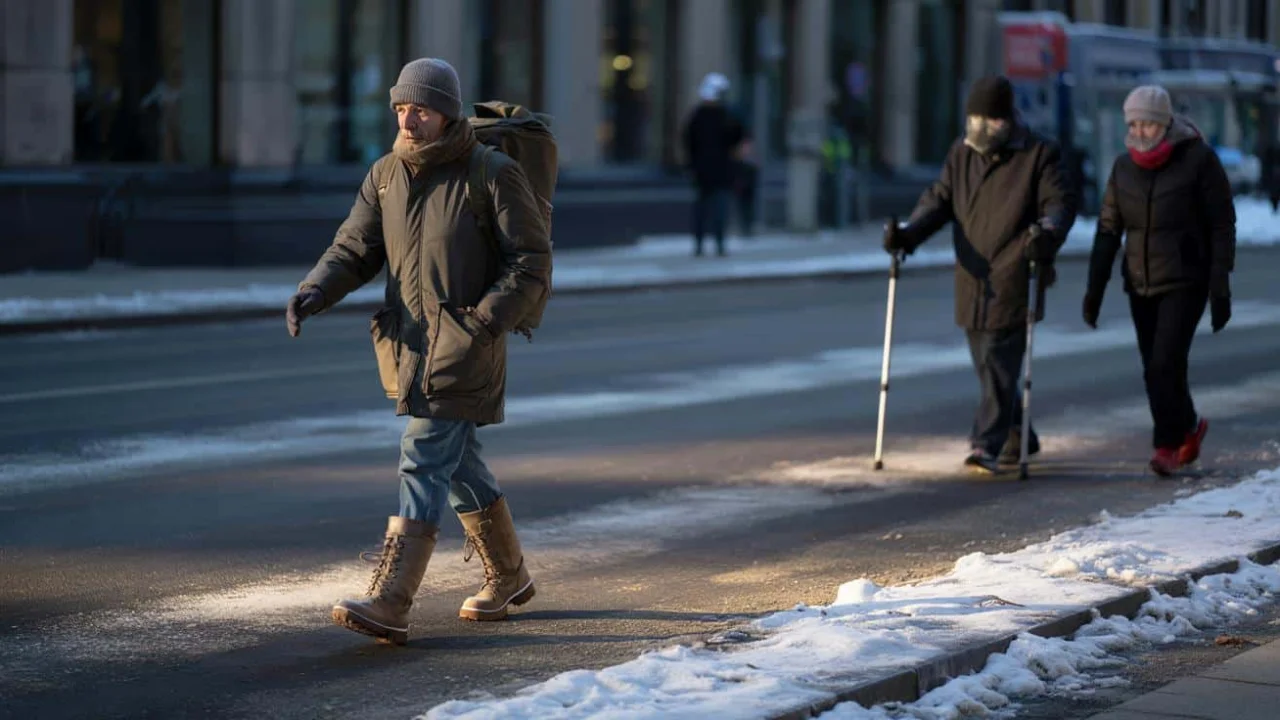
Sarah was rushing to catch the 8:15 train, her leather-soled work shoes clicking confidently across what looked like a wet pavement. One step later, she found herself sprawled across the sidewalk, her laptop bag scattered and her ankle throbbing. The “wet” pavement was actually a sheet of black ice so thin it was nearly invisible.
That split second changed everything about how Sarah thinks about winter walking. What seemed like a normal Tuesday morning commute had turned into a three-hour hospital visit and two weeks of hobbling around on crutches.
Sarah’s story isn’t unique. Every winter, emergency rooms across the country see a surge in slip-and-fall injuries that could have been prevented with the right black ice safety knowledge and a few simple precautions.
The Hidden Danger Lurking on Every Winter Street
Black ice forms when temperatures hover right around freezing point, creating the perfect storm for accidents. As snow melts during the day and refreezes at night, it creates an almost invisible layer of ice that’s incredibly slippery. Unlike regular snow or obvious ice patches, black ice is transparent and blends perfectly with the pavement underneath.
“Most people don’t realize they’re walking on black ice until it’s too late,” explains Dr. Michael Patterson, an emergency room physician who sees dozens of ice-related injuries each winter. “The surface looks completely normal, maybe just a little wet, but it has virtually no traction.”
The statistics are sobering. Winter slip-and-fall accidents send thousands of people to hospitals each year, with injuries ranging from minor bruises to serious fractures and head trauma. But here’s the encouraging news: most of these accidents are completely preventable with proper black ice safety techniques.
Nine Essential Black Ice Safety Strategies That Work
Protecting yourself from winter slips isn’t about avoiding going outside. It’s about making smart choices that keep you upright and moving safely, even when conditions are treacherous.
1. Master the Art of Winter Footwear
Your shoes are your first and most important line of defense against black ice. Those stylish leather-soled dress shoes or smooth sneakers that work perfectly in dry conditions become liability in winter conditions.
- Choose boots with deep, aggressive tread patterns that can bite into snow and ice
- Look for softer rubber compounds that stay flexible in cold temperatures
- Consider waterproof options to keep your feet dry and warm
- Ankle-high or higher boots provide crucial support if you do start to slip
For serious winter conditions, clip-on traction devices can transform ordinary boots into ice-gripping powerhouses. These affordable accessories feature metal coils or spikes that dig into icy surfaces.
2. Walk Like a Penguin (Seriously)
Penguins never slip on ice, and there’s a reason for that. They keep their center of gravity directly over their feet and take shorter, more deliberate steps. You can adopt this same technique.
Keep your knees slightly bent, your arms relaxed at your sides for balance, and take smaller steps than you normally would. Point your feet slightly outward and try to keep your full foot in contact with the ground rather than walking heel-to-toe.
“The penguin walk might look silly, but it works because it keeps you stable and gives you more time to react if you feel yourself starting to slip,” notes physical therapist Jennifer Walsh, who specializes in injury prevention.
3. Choose Your Path Wisely
Not all winter surfaces are created equal. Fresh, untouched snow often provides better traction than the polished, compacted paths where everyone else has walked.
| Surface Type | Traction Level | Safety Tips |
|---|---|---|
| Fresh snow | Good | Walk confidently but watch for hidden ice underneath |
| Slushy areas | Variable | Step carefully, may hide ice patches |
| Clear wet pavement | Dangerous | Assume it’s black ice and proceed with extreme caution |
| Shaded areas | Very dangerous | Ice lingers longer in areas that don’t get direct sunlight |
4. Time Your Trips Strategically
Black ice is most dangerous during specific times of day. Early morning hours, especially before sunrise, are when overnight refreezing creates the most treacherous conditions. Late evening can be equally risky as temperatures drop.
If possible, plan essential trips for mid-morning or early afternoon when temperatures are warmest and any overnight ice has had time to melt.
5. Use Handrails and Stable Surfaces
Never feel embarrassed about using available support. Handrails, building walls, and parked cars can provide crucial stability when navigating icy areas. Just make sure whatever you’re holding onto is stable and won’t move if you put weight on it.
6. Keep Your Hands Free
Carrying shopping bags, talking on your phone, or having your hands buried deep in your pockets all reduce your ability to balance and catch yourself if you slip. Keep your hands visible and available to help maintain balance.
7. Learn to Fall Safely
Sometimes, despite all precautions, falls happen. Knowing how to fall can prevent serious injury:
- Try to fall backward or sideways rather than forward
- Keep your chin tucked to protect your head
- Try to land on soft tissue rather than joints
- Roll with the fall rather than fighting it
8. Check Weather Conditions
Pay attention to overnight temperatures and weather forecasts. Black ice is most likely when temperatures fluctuate around freezing, especially after rain or snow followed by a clear, cold night.
“People often assume that if it’s not actively snowing or raining, the conditions are safe,” warns meteorologist Tom Rodriguez. “But some of the most dangerous black ice forms on clear nights when temperatures drop just enough to freeze standing water.”
9. Prepare Before You Leave
Take a moment to assess conditions before stepping outside. Look at your route, check the weather, and make sure you have appropriate footwear. Consider carrying a small bag of sand or salt to sprinkle on particularly treacherous spots near your home or workplace.
When Black Ice Strikes Unexpectedly
Even with the best preparation, black ice can still catch you off guard. The key is staying alert and adjusting your behavior as soon as you recognize dangerous conditions.
If you feel your foot start to slip, resist the urge to overcorrect or flail your arms wildly. Instead, try to shift your weight to your stable foot and take smaller steps until you reach safer ground.
Remember that black ice safety isn’t just about protecting yourself. Being cautious and visible to others helps create a safer environment for everyone navigating winter conditions.
FAQs
What exactly is black ice and why is it so dangerous?
Black ice is a thin, transparent layer of ice that forms on surfaces, making it nearly invisible while providing almost no traction. It’s particularly dangerous because people don’t see it coming.
Can I use regular shoes with DIY traction methods?
While temporary fixes like rubber bands around your soles might help slightly, proper winter footwear or clip-on traction devices are much more reliable and safer options.
How can I tell if a surface has black ice?
Look for surfaces that appear wet but are in areas where temperatures are near or below freezing. Shaded areas, bridges, and overpasses are particularly prone to black ice formation.
Are certain people more at risk for black ice accidents?
Older adults, pregnant women, and people with balance or mobility issues face higher risks, but anyone can be seriously injured in a black ice fall.
What should I do immediately after falling on ice?
Stay calm and assess yourself for injuries before getting up. If you’re hurt, call for help. If you’re okay, get to a safe location and consider seeking medical attention if you hit your head or feel pain later.
Is it worth investing in special winter safety gear?
Absolutely. Good winter boots and traction devices cost much less than a trip to the emergency room and can prevent serious injuries that could affect you for months.