
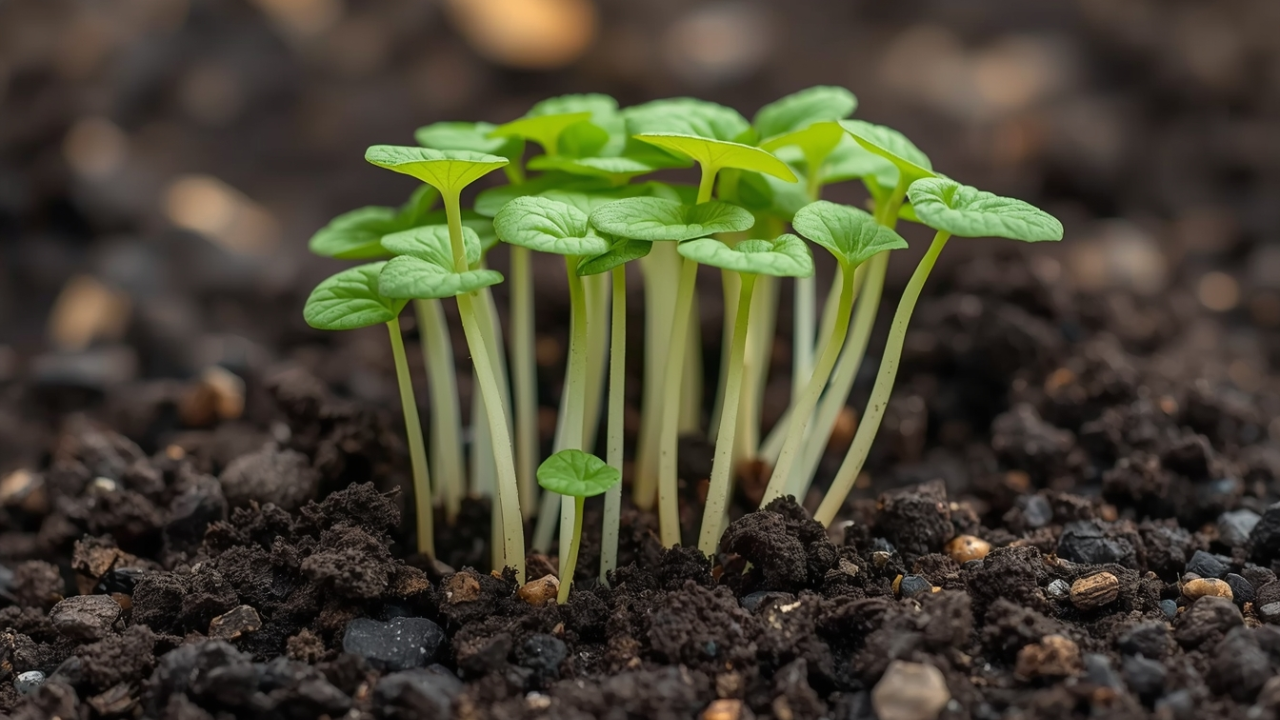
As winter settles in and gardeners begin planning for the upcoming growing season, many are discovering the benefits of starting sweet potato slips indoors during the colder months. This time-tested technique allows gardeners to cultivate healthy sweet potato plants well before the last frost, ensuring a robust harvest come fall. The process of sprouting sweet potatoes during winter has gained popularity among both novice and experienced gardeners as an effective way to extend the growing season and maximize garden productivity.
Sweet potatoes, scientifically known as Ipomoea batatas, are warm-season crops that require a long growing period to develop properly. By beginning the sprouting process indoors during winter months, gardeners can overcome the limitations of shorter growing seasons and give their plants the best possible start. This practice is particularly valuable in regions with harsh winters or shorter frost-free periods.
| Key Takeaways | |
|---|---|
| Best Time to Start | Begin sprouting sweet potatoes 8-12 weeks before the last expected frost date |
| Temperature Requirements | Maintain consistent temperatures between 75-85°F for optimal sprouting |
| Time to Develop Slips | Sweet potato slips typically develop within 4-6 weeks under proper conditions |
| Transplant Timing | Plant slips outdoors 2-3 weeks after the last frost when soil temperatures reach 60°F |
| Success Rate | High success rate when proper temperature, moisture, and light conditions are maintained |
Understanding Sweet Potato Sprouting
Sweet potato sprouting, also known as slip production, involves encouraging sweet potato tubers to develop shoots or “slips” that can later be transplanted as individual plants. Unlike regular potatoes, sweet potatoes do not grow from seed pieces but rather from these specialized shoots that emerge from the parent tuber. This unique characteristic makes the sprouting process both fascinating and essential for successful sweet potato cultivation.
The biological process behind slip development involves the sweet potato’s natural tendency to produce new growth when exposed to warmth and moisture. The tuber acts as a storage organ, providing the energy and nutrients necessary for initial shoot development. As slips emerge and develop their own root systems, they gradually become independent plants capable of surviving transplantation.
Winter sprouting takes advantage of controlled indoor conditions to simulate the warm, humid environment that sweet potatoes naturally experience in their native tropical and subtropical habitats. This approach allows gardeners to work around seasonal limitations and create optimal conditions regardless of outdoor weather patterns.
Benefits of Winter Sweet Potato Sprouting
Starting sweet potato slips during winter months offers numerous advantages that can significantly improve gardening outcomes. The extended preparation time allows for better planning and more strategic garden management, while the controlled environment ensures higher success rates compared to direct planting methods.
One of the primary benefits is the extension of the effective growing season. Sweet potatoes require approximately 90-120 days to reach maturity, depending on the variety. In regions with shorter growing seasons, this extended period can be challenging to achieve with direct planting. By starting slips indoors during winter, gardeners can effectively add several weeks to their growing timeline, ensuring adequate time for tuber development before the first fall frost.
The controlled environment of indoor sprouting also provides protection from unpredictable weather patterns and pest issues that might affect outdoor plantings. Temperature fluctuations, late frosts, and soil-borne diseases can all impact success rates when starting sweet potatoes outdoors. Indoor sprouting eliminates many of these variables, creating ideal conditions for healthy slip development.
Additionally, winter sprouting allows gardeners to select the healthiest and most vigorous slips for transplanting. This selection process can improve overall plant health and productivity, as only the strongest specimens make it to the garden. The ability to observe and nurture slips during their early development stages also provides valuable insights into plant health and growth patterns.
Essential Equipment and Setup
Successful winter sweet potato sprouting requires specific equipment and environmental conditions to replicate the warm, humid conditions these tropical plants prefer. The setup process involves creating a controlled microenvironment that maintains consistent temperature and moisture levels throughout the sprouting period.
Temperature control is perhaps the most critical aspect of the setup. Sweet potatoes require warm conditions to initiate sprouting, with optimal temperatures ranging between 75-85°F. Various heating methods can achieve these temperatures, including heat mats designed for seed starting, incandescent light bulbs, or placing containers near heating vents. Consistent temperature monitoring using reliable thermometers ensures that conditions remain within the optimal range.
Moisture management is equally important, as sweet potatoes need adequate humidity to prevent desiccation while avoiding conditions that promote rot. The sprouting medium should maintain consistent moisture without becoming waterlogged. Many gardeners use a combination of methods, including water propagation, moist sand, or specialized sprouting mediums to achieve the right balance.
Lighting considerations become important once slips begin to emerge. While the initial sprouting process can occur in darkness, developing slips benefit from bright, indirect light to promote healthy growth and prevent elongation. Fluorescent lights or LED grow lights can provide adequate illumination when natural light is insufficient during winter months.
Step-by-Step Sprouting Process
The actual process of sprouting sweet potatoes involves several distinct phases, each requiring specific attention and care. Beginning with tuber selection and preparation, the process progresses through sprouting initiation, slip development, and finally, slip separation and rooting.
Tuber selection forms the foundation of successful sprouting. Healthy, undamaged sweet potatoes with no signs of rot, soft spots, or disease provide the best starting material. Organic sweet potatoes are often preferred, as conventionally grown tubers may be treated with sprout inhibitors that can interfere with the sprouting process. The size of the tuber is less important than its overall health and condition.
Preparation involves cleaning the tuber and deciding on the sprouting method. Some gardeners prefer to cut larger sweet potatoes in half to increase the sprouting surface area, while others work with whole tubers. The cut surfaces should be allowed to dry and callus over for a day or two before beginning the sprouting process to prevent rot.
The sprouting phase requires placing the prepared tubers in the chosen growing medium and maintaining optimal conditions. Regular monitoring ensures that temperature and moisture levels remain consistent, while periodic inspection helps identify any developing problems early in the process.
As slips develop and reach sufficient size, they can be carefully separated from the parent tuber and rooted independently. This process requires gentle handling to avoid damaging delicate roots and shoots, but properly executed separation results in individual plants ready for eventual transplanting.
Common Challenges and Solutions
Despite its relative simplicity, winter sweet potato sprouting can present various challenges that may impact success rates. Understanding these potential issues and their solutions helps gardeners troubleshoot problems and maintain healthy sprouting conditions throughout the process.
Temperature fluctuations represent one of the most common challenges, particularly in unheated spaces or areas subject to significant temperature variations. Inconsistent temperatures can slow sprouting, reduce slip production, or cause stress that makes plants more susceptible to disease. Solutions include using more reliable heating sources, insulating sprouting containers, or relocating setups to more stable environments.
Moisture-related problems can manifest as either excessive dryness or overly wet conditions. Dry conditions cause tubers to shrivel and fail to sprout, while excessive moisture promotes rot and fungal issues. Achieving the proper balance requires careful attention to watering practices and environmental humidity levels.
Pest issues, while less common indoors, can still affect sprouting sweet potatoes. Fungus gnats, spider mites, or other indoor plant pests may be attracted to the warm, moist conditions. Prevention through clean growing practices and early intervention when problems arise helps maintain healthy sprouting environments.
Timing challenges often arise when slips develop faster or slower than expected, potentially conflicting with planned transplanting schedules. Flexibility in planning and understanding that natural variation occurs helps gardeners adapt their timelines to actual growing conditions rather than rigid schedules.
Transplanting and Garden Integration
The transition from indoor sprouting to outdoor growing represents a critical phase in sweet potato cultivation. Proper timing, preparation, and technique during transplanting significantly impact plant survival and subsequent growth performance. This phase requires careful attention to both environmental conditions and plant readiness.
Timing considerations involve coordinating slip readiness with appropriate outdoor conditions. Sweet potato slips should be well-rooted and showing vigorous growth before transplanting, typically requiring 4-6 weeks of development after separation from the parent tuber. Simultaneously, soil temperatures must reach at least 60°F, with consistent warm weather expected for several weeks following transplanting.
Hardening off, the process of gradually acclimating indoor-grown plants to outdoor conditions, becomes essential for successful transplanting. This process involves exposing slips to outdoor conditions for progressively longer periods over the course of 7-10 days, allowing them to adjust to temperature variations, wind, and direct sunlight.
Garden preparation should be completed well before transplanting time. Sweet potatoes prefer loose, well-draining soil with good organic matter content. Raised beds or mounded rows improve drainage and warm more quickly in spring, creating ideal conditions for newly transplanted slips. Soil preparation should include incorporation of compost or other organic amendments to support healthy root development.
Frequently Asked Questions
Can I start sweet potato slips from store-bought sweet potatoes?
While it’s possible to use store-bought sweet potatoes, success rates may be lower due to potential treatment with sprout inhibitors. Organic sweet potatoes or those specifically grown for planting purposes typically provide better results. If using store-bought tubers, select those that appear fresh and healthy, avoiding any with soft spots or signs of damage.
How many slips can I expect from one sweet potato?
The number of slips produced varies significantly based on tuber size, variety, and growing conditions. A single sweet potato can produce anywhere from 4-10 slips on average, with larger tubers generally producing more shoots. Optimal growing conditions with consistent temperature and moisture typically result in higher slip production.
What should I do if my sweet potato develops mold during sprouting?
Mold development usually indicates excessive moisture or poor air circulation. Remove any affected areas immediately, improve ventilation around the sprouting container, and reduce moisture levels. If mold persists, consider starting over with fresh tubers and modified growing conditions to prevent recurrence.
How long can I keep sweet potato slips before transplanting?
Well-rooted sweet potato slips can be maintained indoors for several weeks if necessary, though younger slips generally transplant more successfully. Keep them in bright light with adequate moisture and consider potting them individually if extended indoor growing is required. Monitor for signs of stress or overcrowding as plants develop.
Is it necessary to use rooting hormone when separating slips?
Rooting hormone is not typically necessary for sweet potato slips, as they naturally develop roots readily when provided with adequate moisture and warmth. However, rooting hormone can potentially improve success rates and speed root development, particularly for slips that appear less vigorous or in challenging growing conditions.
Conclusion
Winter sprouting of sweet potatoes represents an invaluable technique for gardeners seeking to maximize their growing season and ensure healthy, productive plants. By taking advantage of controlled indoor conditions during the dormant season, gardeners can overcome