
Emma had been avoiding her math class for three weeks. The 13-year-old would slip into the school infirmary with complaints of nausea, her hands trembling slightly as she described phantom stomach pains. Nurse Sylvie Nouza had seen this pattern before – the physical symptoms were real, but the root cause wasn’t medical.
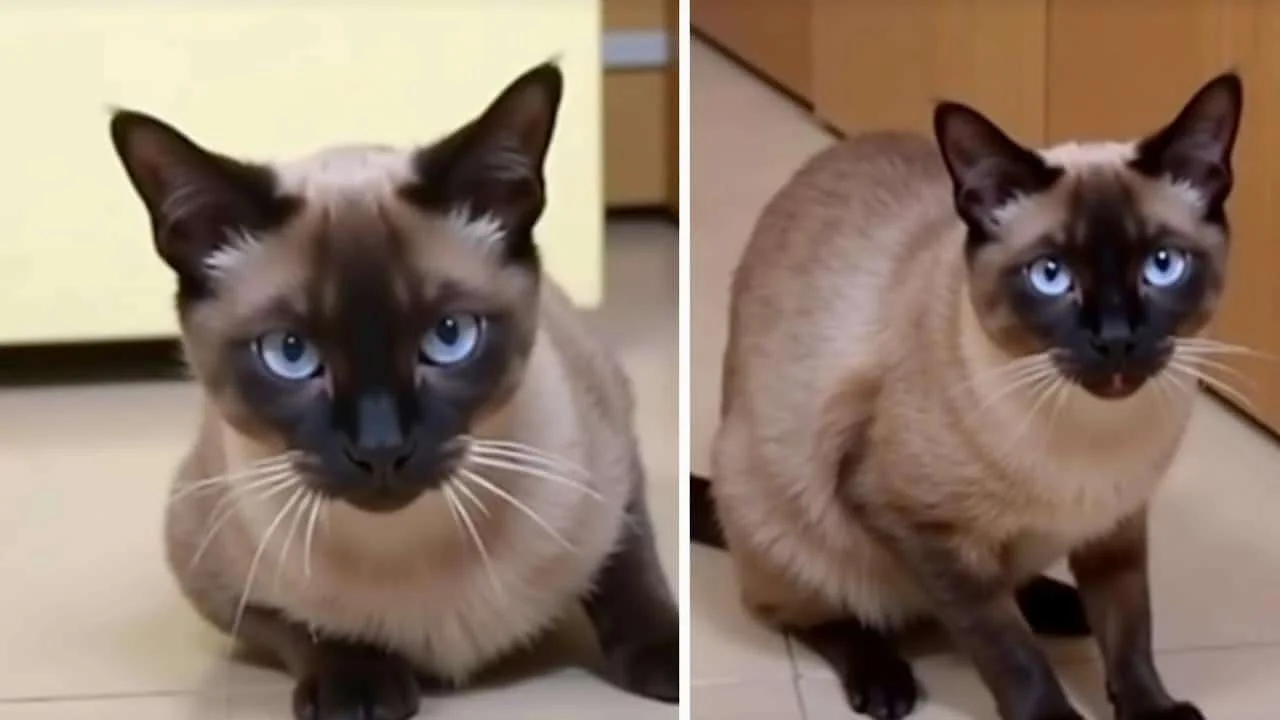
Then Vegas appeared. The blue-eyed Siamese cat padded over to Emma’s chair, settled against her leg, and began purring. Within minutes, the trembling stopped. Twenty minutes later, Emma was talking about her fear of being called on in class, her anxiety about disappointing her parents, and how math made her feel “stupid.”
This scene plays out almost daily at Collège Alphonse Daudet in southern France, where an unlikely four-legged therapist has transformed how students cope with stress and anxiety.
From Abandoned Kitten to School’s Emotional Support Star
Vegas didn’t start life as a therapy cat. Years ago, school nurse Sylvie Nouza discovered him as a frail, underweight kitten wandering alone and clearly in distress. Most people might have called animal control or hoped someone else would help.
- This rescued black cat became her baby’s full-time bodyguard in the most heartwarming way
- This Black Cat Convinced Half The Neighbourhood He Lives With Them Too
- Cat vanishes during house move, then microchip scan 2 years later reveals stunning reunion twist
- 5-Year-Old’s Hot Chocolate Fundraising Stand Saves Dozens of Shelter Dogs in One Weekend
- These cute dog photos are causing an unexpected physical reaction in viewers’ brains
- 10 Cats Who Look Like They’re Stuck in Computer Error Mode Will Make You Question Reality
Nouza made a different choice. She took the scared Siamese home, nursed him back to health, and watched as he developed an unusual attachment to her daily routine. The cat would follow her everywhere, seeming genuinely distressed when left alone.
“Vegas became so bonded to me that leaving him at home felt cruel,” Nouza explained. “He needed companionship, and I started wondering if maybe the students did too.”
The idea of bringing a cat to school seemed far-fetched, but headteacher Christine Lecoeuche surprised everyone by agreeing – with strict conditions about allergies, safety protocols, and proper documentation. Vegas officially became the school’s first feline staff member.
How Siamese Cat Therapy Actually Works in Schools
The infirmary at Collège Alphonse Daudet now serves dual purposes. Students still come for scraped knees and headaches, but increasingly, they arrive carrying invisible wounds – anxiety, depression, social isolation, and academic pressure.
Vegas has an uncanny ability to identify which students need emotional support most. He’ll approach trembling teenagers, settle beside crying pupils, or simply provide calm presence during difficult conversations.
Here’s what makes this siamese cat therapy approach so effective:
- Non-judgmental presence that puts students at ease immediately
- Physical contact through petting releases calming endorphins
- Creates a safe space for students to open up about real problems
- Provides consistent emotional support without clinical formality
- Helps normalize seeking help for mental health concerns
| Student Issue | Vegas’s Response | Typical Outcome |
|---|---|---|
| Test Anxiety | Settles on student’s lap during conversation | Heart rate decreases, student discusses fears openly |
| Bullying Trauma | Gentle head bumps and purring | Physical tension releases, tears often follow |
| Family Problems | Quiet presence nearby | Creates safe space for emotional expression |
| Social Isolation | Seeks out withdrawn students first | Provides connection when human contact feels scary |
“Many teenagers find it easier to say they have a stomachache than admit they’re having a panic attack,” notes child psychologist Dr. Marie Dubois. “Animals create a bridge between physical and emotional healing.”
The Unexpected Benefits Beyond Individual Students
Vegas’s impact extends far beyond one-on-one interactions. His presence has fundamentally changed how the entire school community approaches mental health and emotional support.
Teachers report that students seem more willing to discuss anxiety and stress openly. The stigma around visiting the nurse’s office has decreased dramatically – nobody questions why you’d want to spend time with a friendly cat.
Parents have noticed changes too. Students who previously bottled up emotions at home are now more likely to discuss their feelings, having practiced those conversations first with Vegas as their confidant.
“The cat has given us a new vocabulary for talking about feelings,” explains parent coordinator Lisa Moreau. “Kids will say ‘I need some Vegas time’ instead of ‘I feel terrible,’ and somehow that makes it easier for everyone.”
The school has documented remarkable improvements in several key areas:
- 30% reduction in students leaving school due to anxiety attacks
- Increased willingness to report bullying incidents
- More students proactively seeking help before problems escalate
- Improved overall classroom behavior and focus
- Better communication between students and parents about mental health
What This Means for Schools Everywhere
The success of Vegas’s siamese cat therapy model raises important questions about how schools can better support student mental health. Traditional counseling services, while valuable, often feel clinical and intimidating to young people already struggling with anxiety.
Animal-assisted interventions offer a gentler entry point into emotional support. Students who might never voluntarily visit a counselor will happily spend time with a therapy animal, often opening up naturally during those interactions.
“We’re seeing a mental health crisis among teenagers, but many of our traditional approaches aren’t reaching the kids who need help most,” observes educational psychologist Dr. James Rivera. “Sometimes the solution isn’t more counselors – it’s finding creative ways to make support feel approachable.”
The model isn’t without challenges. Schools considering similar programs must address allergy concerns, establish clear health and safety protocols, and ensure proper training for staff members. The financial commitment includes veterinary care, food, and potential facility modifications.
However, the potential benefits – reduced absenteeism, improved academic performance, better emotional regulation, and decreased behavioral incidents – often justify the investment.
Vegas continues his daily rounds at Collège Alphonse Daudet, unaware that he’s pioneering a new approach to student mental health. He simply does what comes naturally – offering comfort, presence, and unconditional acceptance to anyone who needs it.
For schools grappling with rising rates of student anxiety and depression, Vegas proves that sometimes the most innovative solutions come with four paws and a gentle purr.
FAQs
How do schools handle students with cat allergies when using therapy animals?
Schools typically screen for allergies beforehand and may designate specific areas where the therapy animal stays, use air purifiers, and ensure students with severe allergies have alternative support options available.
What training do therapy cats need before working in schools?
While cats can’t be formally certified like therapy dogs, they should be well-socialized, calm around children, up-to-date on vaccinations, and comfortable in busy environments with multiple people and sounds.
Are there legal requirements for having therapy animals in schools?
Requirements vary by location, but schools typically need approval from administration, proper insurance coverage, health department clearance, and documented protocols for animal care and student safety.
How effective is animal therapy compared to traditional counseling for student anxiety?
Research shows animal therapy works well as a complement to traditional counseling, often helping students feel more comfortable opening up about problems they might otherwise keep hidden.
What happens if a therapy animal gets sick or can’t come to school?
Schools with therapy animal programs should have backup support systems in place, including trained counselors who can step in and alternative coping strategies for students who rely heavily on animal interaction.
Can any cat become a school therapy animal?
Not every cat is suited for therapy work – ideal candidates are naturally calm, enjoy human interaction, adapt well to new environments, and remain relaxed around children and noise.