
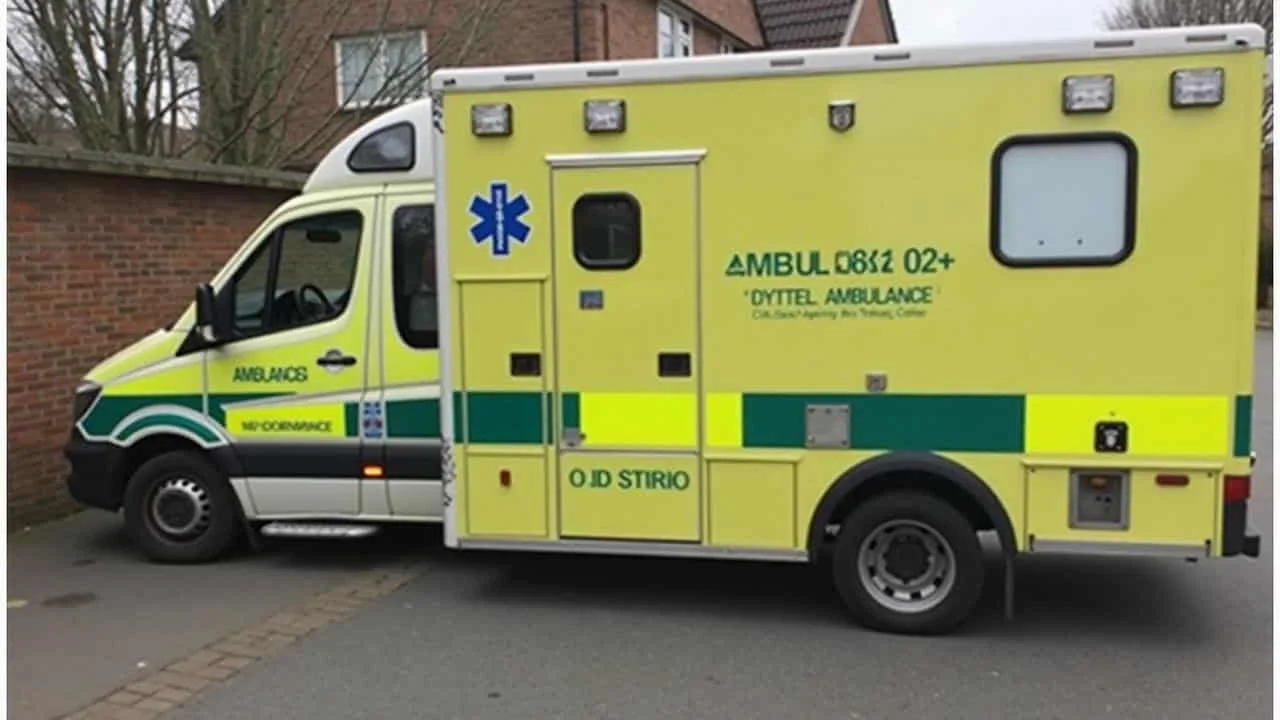
Picture this: you’ve just finished a 12-hour shift responding to emergencies across London. You’ve witnessed things that will stick with you for weeks, made split-second decisions that saved lives, and watched families say goodbye to loved ones. You walk back into the ambulance station exhausted, emotionally drained, and wondering how you’ll find the strength to do it all again tomorrow.
Then a black-and-white cat appears at your feet, purring softly and rubbing against your legs. For the first time in hours, your shoulders relax. This simple moment of connection with a furry friend becomes the bridge between the chaos outside and the rest you desperately need.
That’s exactly what thousands of paramedics and emergency responders have experienced at the Walthamstow ambulance station in East London, where a cat named Defib has been providing unofficial therapy for nearly a decade. But now, new management wants him gone – and the battle to save this ambulance station cat has captured hearts across the globe.
Meet Defib: The Ambulance Station Cat Who Became a Legend
Defib got his name from “defibrillator,” which tells you everything about where he calls home. This isn’t just any workplace cat – he’s become an integral part of life at one of London’s busiest ambulance stations.
- House Cat’s Urgent Cries at Window Lead to Rescue That Saves Three Lives
- Retired police dog gets life-changing surgery after charity steps in with €1,700 for crucial operation
- Great Dane’s Kitchen Counter View Makes Her World’s Tallest Female Dog, Guinness Confirms
- This Golden Retriever’s Reaction to His First Snowfall Will Make Your Heart Melt
- These adorable pet photos reveal something unexpected about how we really live in 2026
- Driver Spots Dog And Puppies On Roadside, What She Does Next Surprises Everyone
The story began about ten years ago when staff rescued Defib and gradually welcomed him into their daily routines. What started as a simple act of kindness evolved into something much more meaningful. The ambulance station cat quickly learned the rhythms of emergency medical work, greeting night-shift crews as they returned from calls and offering quiet companionship during the most difficult moments.
“Defib has this incredible ability to sense when someone needs comfort,” explains one paramedic who’s worked alongside the cat for years. “He’ll sit quietly next to you while you’re filling out paperwork after a traumatic call, or curl up on your lap when you just need a moment to decompress.”
The cat’s presence became particularly valuable during the pandemic, when emergency workers faced unprecedented stress and isolation. While humans had to maintain social distancing, Defib continued offering the physical comfort that exhausted medics desperately needed.
When New Management Threatened Everything
The trouble started when new managers took control of the Walthamstow station. During their policy review, they decided the ambulance station cat had to go. Their reasoning focused on infection control protocols and potential allergic reactions among staff or visitors.
From a clinical standpoint, the concerns weren’t entirely unreasonable. Healthcare environments do require strict hygiene standards, and animals can potentially carry allergens or pathogens. The new management team viewed Defib’s presence as an unnecessary risk in a facility connected to patient care.
“We understand the attachment staff have formed, but we must prioritize health and safety regulations,” a spokesperson for the management team stated during the initial announcement.
However, the decision devastated the very people it claimed to protect. For paramedics and ambulance technicians who rely on Defib’s calming presence, losing their four-legged colleague felt like losing a vital support system.
The Power of 60,000 Signatures
What happened next surprised everyone, including management. Within days of the eviction announcement, a petition to save Defib began circulating online. The response was overwhelming.
| Petition Milestone | Time Frame | Public Response |
|---|---|---|
| First 1,000 signatures | 6 hours | Local community support |
| 10,000 signatures | 2 days | Regional media coverage |
| 30,000 signatures | 1 week | National news attention |
| 60,000 signatures | 2 weeks | International support |
The petition attracted supporters from across the UK and beyond. People shared stories of their own therapy animals, expressed gratitude for emergency workers, and voiced outrage at what they saw as bureaucratic heartlessness.
Key arguments from petition supporters included:
- Mental health benefits for high-stress emergency workers
- Defib’s decade-long track record without health incidents
- The cat’s role in improving workplace morale and retention
- Existing protocols that already manage any hygiene concerns
- The minimal risk compared to enormous emotional benefits
“This isn’t just about one cat,” wrote one petition signer who works as a nurse. “It’s about recognizing that healthcare workers are human beings who need emotional support, especially after traumatic events.”
A Victory That Means So Much More
The pressure worked. Faced with 60,000 signatures, national media attention, and overwhelmingly negative public reaction, management reversed their decision. Defib could stay, provided certain hygiene protocols were followed and staff allergies were properly managed.
The victory celebration at Walthamstow station was subdued but deeply felt. Crew members who had feared losing their beloved mascot could finally breathe easily again. More importantly, they felt heard and valued by their organization.
“Having Defib here isn’t a luxury – it’s essential for our wellbeing,” explained one ambulance technician. “When you’ve just lost a patient despite your best efforts, sometimes a warm, purring cat is exactly what you need to remember why you do this job.”
The case has sparked broader conversations about animal-assisted therapy in healthcare settings and the importance of supporting emergency workers’ mental health. Several other ambulance services have reported reviewing their own policies regarding therapy animals.
Research consistently shows that interaction with animals can reduce stress hormones, lower blood pressure, and improve overall emotional wellbeing – benefits that are particularly valuable for people in high-stress professions.
What This Story Really Teaches Us
The battle to save this ambulance station cat reveals something important about how we value both animal companionship and worker wellbeing. In a world where mental health support often feels inadequate, especially for emergency responders, sometimes the simplest solutions are the most effective.
Defib’s story also demonstrates the power of public advocacy. When 60,000 people take time to sign a petition, they’re sending a clear message about shared values and priorities. The overwhelming response showed that people understand the unique pressures faced by emergency workers and want to support practical solutions.
“This whole situation reminded us that management decisions should consider the human element,” reflected one station supervisor. “Rules and regulations matter, but so does understanding what actually helps our people do their jobs better.”
For Defib himself, life has returned to normal. He continues his rounds through the ambulance station, offering comfort to tired paramedics and reminding everyone that sometimes the best medicine comes with four paws and a gentle purr.
FAQs
What exactly does Defib do at the ambulance station?
Defib provides emotional support to emergency workers by offering quiet companionship, sitting with staff during difficult moments, and creating a calming presence in a high-stress environment.
Were the management’s health concerns valid?
While infection control and allergies are legitimate considerations in healthcare settings, the risks were manageable through proper protocols without requiring Defib’s removal.
How did the petition gain so much support so quickly?
The story resonated with people who understand the value of therapy animals and wanted to support overworked emergency responders, leading to rapid sharing across social media platforms.
Are there other therapy animals in ambulance stations?
While not common, some emergency services do have therapy animals, and Defib’s case has encouraged other stations to consider similar programs.
What protocols are now in place for Defib?
The station has implemented hygiene measures and allergy management procedures that allow Defib to remain while addressing the original health and safety concerns.
Has this case influenced other ambulance services?
Yes, several other emergency services have reviewed their policies regarding therapy animals, with some considering introducing similar programs for staff wellbeing.