
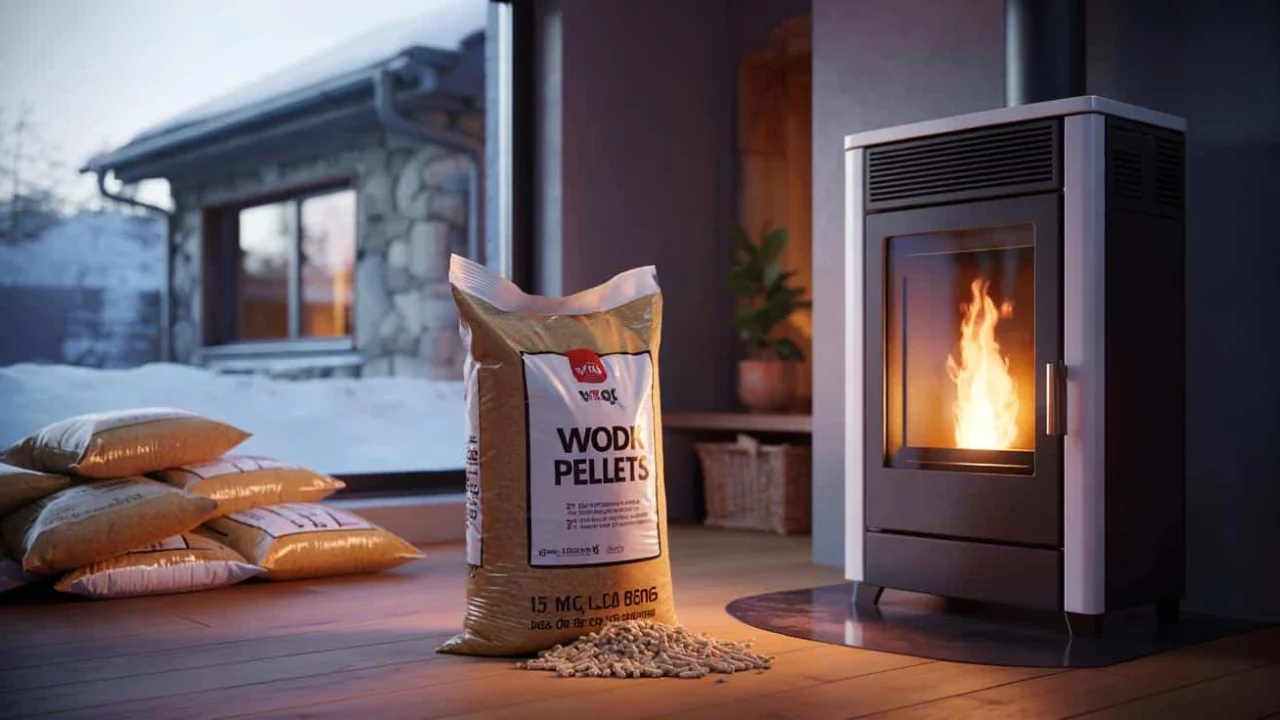
Sarah stared at the half-empty bag of pellets in her garage, doing quick math in her head. The forecast called for three more days of freezing temperatures, and she had exactly one 15-kilogram bag left until her next delivery. Would it be enough? Like thousands of homeowners across the country, she was learning that heating with pellets isn’t just about staying warm – it’s about understanding exactly how long your fuel will last.
This scenario plays out in homes everywhere as winter deepens and energy costs soar. The simple question “How long will this bag heat my home?” has become crucial for budget planning and comfort management. But the answer isn’t straightforward – it depends entirely on how you use your stove.
The Real Story Behind Pellet Stove Heating Hours
A 15 kg bag of pellets represents different things to different households. For some families, it’s a single evening’s worth of cozy heat. For others, it stretches across several days of gentle warmth. The variation comes down to three key factors that every pellet stove owner should understand.
First, your stove’s power settings make the biggest difference. Modern pellet stoves typically operate between 2 kW and 10 kW, and this range creates dramatic differences in consumption. A stove running at maximum output burns through pellets five times faster than one operating in eco mode.
“Most homeowners don’t realize they have complete control over how long their pellets last,” explains heating technician Mike Patterson. “The same bag that disappears in 8 hours on high heat can stretch to 40 hours on the lowest setting.”
Second, your home’s insulation and size directly impact how hard your stove works. A well-insulated 1,200 square foot home requires far less energy than a drafty 2,500 square foot space. The stove automatically adjusts its consumption based on the heating demand.
Finally, outdoor temperatures and weather patterns influence consumption dramatically. A stove might purr along peacefully on a 40-degree day but work overtime during a bitter cold snap.
Breaking Down the Numbers: Your Stove’s Power Settings
Understanding pellet stove heating hours starts with knowing what happens at each power level. Most residential pellet stoves offer multiple settings, each with distinct consumption patterns.
| Power Setting | kW Output | Hours per 15kg Bag | Best Used For |
|---|---|---|---|
| Maximum | 8-10 kW | 8-12 hours | Quick warm-up, very cold days |
| High | 6-8 kW | 12-18 hours | Cold evenings, family gathering |
| Medium | 4-6 kW | 18-25 hours | Steady daily heating |
| Low/Eco | 2-3 kW | 25-40 hours | Overnight, mild weather |
These numbers tell a compelling story. At maximum power, you’re getting intense heat that can warm a cold house quickly, but you’ll burn through nearly 2 kilograms of pellets per hour. Switch to eco mode, and the same stove sips pellets at just 0.4 kilograms per hour while maintaining comfortable temperatures.
“The sweet spot for most families is medium power during the day and low power overnight,” notes energy efficiency consultant Lisa Rodriguez. “This gives you about 24 hours of heating from a single bag.”
What This Means for Your Winter Heating Strategy
These pellet stove heating hours translate into real-world decisions that affect both comfort and costs. A family using one bag per day at $6 per bag faces a monthly heating bill of around $180. Stretch that same bag across two days, and the monthly cost drops to $90.
Smart pellet stove users develop strategies that maximize their fuel efficiency:
- Program the stove to run on high power for quick morning warm-up, then switch to medium for daytime heating
- Use eco mode overnight when everyone’s under blankets
- Boost power only during the coldest parts of winter storms
- Take advantage of sunny days by running the stove on low while solar heat helps warm the home
Location matters significantly too. Homes in consistently cold climates might average 15-20 hours per bag throughout winter. Those in milder areas with occasional cold snaps could stretch bags to 30-35 hours by using variable settings effectively.
The timing of your heating also impacts consumption. Running the stove for 12 hours during the warmest part of the day uses less fuel than 12 hours during overnight lows, even at identical power settings.
Making Every Pellet Count
Beyond power settings, several factors help maximize pellet stove heating hours. Proper maintenance keeps your stove running efficiently – a dirty stove can use 15-20% more pellets to produce the same heat.
Quality pellets make a measurable difference too. Premium pellets with higher heat content deliver more BTUs per pound, effectively extending your heating hours. While they cost slightly more upfront, the improved efficiency often balances the price difference.
“I tell customers to think about pellet consumption like gas mileage,” explains stove dealer Tom Martinez. “Small improvements in efficiency compound over a whole winter season.”
Room layout and air circulation also influence how effectively your stove heats your space. Proper fan placement helps distribute heat evenly, allowing lower power settings to maintain comfort throughout your home.
Weather stripping, storm doors, and basic insulation improvements can extend your pellet stove heating hours by reducing the workload on your stove. Even simple fixes like heavy curtains or door draft stoppers make noticeable differences in fuel consumption.
Planning Your Pellet Purchase Strategy
Understanding your pellet stove heating hours enables smarter fuel purchasing. Most families find their consumption patterns stabilize after the first winter, making it easier to predict needs and buy in bulk for better pricing.
A typical well-insulated home using mixed power settings consumes about 20-25 bags per month during peak winter. Poorly insulated homes or those in extremely cold climates might use 35-40 bags monthly.
Buying patterns matter too. Purchasing pellets in spring or early fall often provides significant savings compared to mid-winter emergency purchases. Many suppliers offer early-bird pricing that can reduce seasonal costs by 10-20%.
“The families who track their usage and plan ahead consistently spend less on heating while staying more comfortable,” observes fuel supplier Jennifer Chen.
FAQs
How many hours should I expect from a 15 kg pellet bag on medium heat?
Most stoves provide 18-25 hours of heating on medium power settings, depending on your home’s insulation and outside temperature.
Can I damage my pellet stove by running it on low power constantly?
No, eco or low power settings are designed for extended use and actually help extend your stove’s lifespan by reducing wear on components.
Do expensive pellets really last longer than cheap ones?
Premium pellets typically contain more heat energy per pound, so you may get 10-15% more heating hours from higher-quality fuel.
How do I calculate my monthly pellet needs?
Track your daily consumption for one week, then multiply by 30. Most homes use 0.5-2 bags per day depending on weather and settings.
Should I turn off my pellet stove when I’m not home?
It’s more efficient to run the stove on low power continuously rather than heating a cold house from scratch multiple times daily.
What’s the most economical way to heat with pellets?
Use high power for quick morning warm-up, medium power during active hours, and low power overnight and when away from home.