
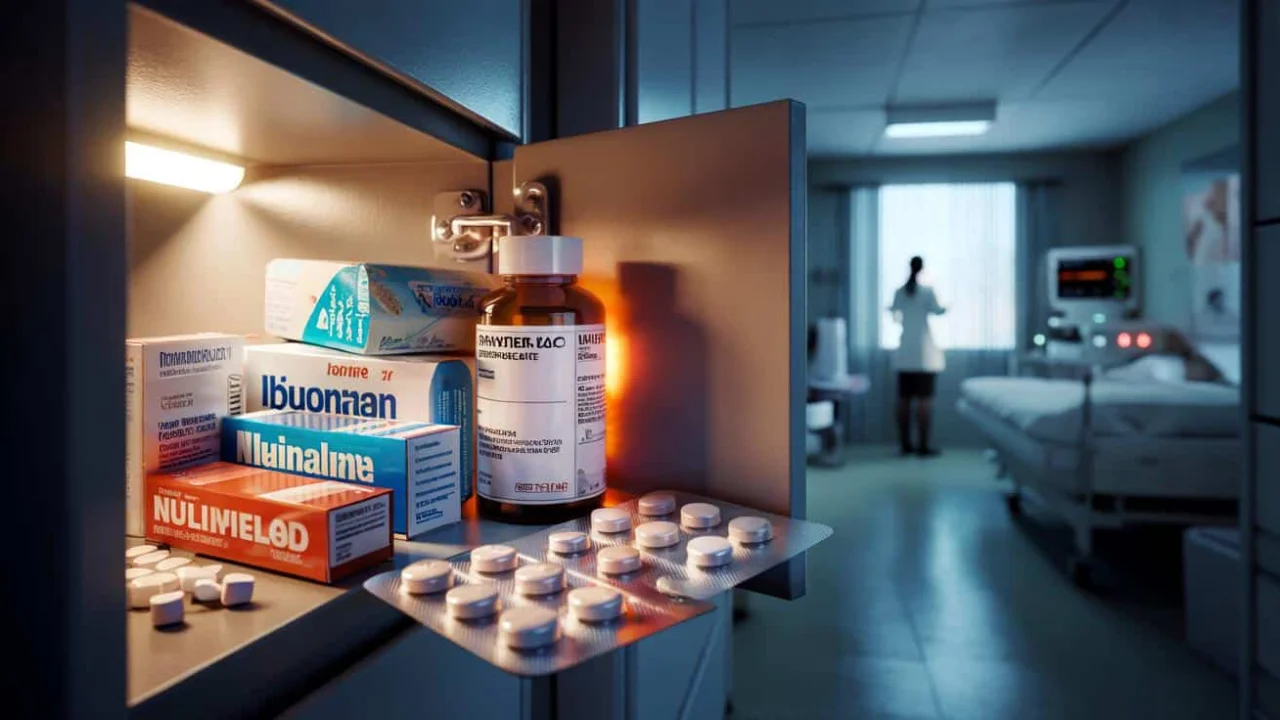
Sarah reached for the familiar bottle in her medicine cabinet, the same routine she’d followed countless times before. A splitting headache from her cold, and she knew exactly what would help: two paracetamol tablets and the antibiotics her doctor had prescribed for her chest infection. She swallowed both without hesitation, trusting that modern medicine would sort her out quickly.
What Sarah didn’t know was that this simple, everyday decision might be contributing to one of the most dangerous health crises humanity has ever faced. She’s not alone—millions of people around the world make this exact same choice every single day, combining painkillers with antibiotics without realizing the potentially catastrophic consequences.
This familiar routine may actually be fueling a silent emergency that threatens to drag us back to a pre-antibiotic era, where simple infections could become deadly.
When Medicine Cabinet Staples Become Part of the Problem
New research from the University of South Australia has uncovered something deeply troubling about our most trusted painkillers. The study, published in Nature, reveals that combining everyday painkillers like ibuprofen and paracetamol with antibiotics could be quietly accelerating antibiotic resistance—one of the most serious health threats facing our world today.
- France’s €1 billion nuclear turbine deal with Poland signals massive shift in European energy control
- Weather Experts Called Out: The Real Story Behind Tonight’s Massive Snow Chaos Warnings
- Psychologist reveals the exact mental shift that marks your final stage of life
- Scientists discover Christopher Columbus origins after 20-year DNA investigation overturns history books
- Fast walking might actually reveal your anxiety levels, not your fitness
- This diabetes breakthrough quietly changes everything doctors thought they knew about treatment
These aren’t exotic drugs we’re talking about. In France, they’re Doliprane and Advil. In the UK, Nurofen and generic paracetamol. In the US, Tylenol and Motrin. These medications sit in bathroom cabinets across the globe, purchased without a second thought for fever, headaches, and minor aches.
On their own, both paracetamol (acetaminophen) and ibuprofen are generally safe and effective for short-term use. They help us function through illness, sleep through pain, and manage everything from menstrual cramps to back pain. But when these painkillers encounter antibiotics inside our bodies, something unexpected and dangerous appears to happen.
“Common painkillers don’t just soothe symptoms,” explains Dr. Elena Rodriguez, an infectious disease specialist not involved in the study. “In some situations, they may actually make disease-causing bacteria much harder to kill.”
The Laboratory Discovery That Changed Everything
The Australian researchers focused their investigation on Escherichia coli (E. coli), a bacterium that naturally lives in our intestines but can cause severe infections when certain strains spread to other parts of the body. E. coli infections are commonly treated with ciprofloxacin, a widely-used antibiotic.
The experimental setup was straightforward but revealing. Scientists exposed E. coli bacteria to both an antibiotic and a painkiller simultaneously, then observed what happened. The results were deeply concerning.
Here’s what the researchers discovered about the painkiller-antibiotic combination:
- Bacteria developed resistance to the primary antibiotic faster than normal
- This resistance was amplified beyond typical levels
- The resistance extended to other classes of antibiotics, not just the one being used
- The effect occurred with both ibuprofen and paracetamol
- Even low doses of painkillers triggered this response
| Condition | Resistance Development | Cross-Resistance |
|---|---|---|
| Antibiotic alone | Standard rate | Limited |
| Antibiotic + Ibuprofen | Accelerated | Multiple drug classes |
| Antibiotic + Paracetamol | Accelerated | Multiple drug classes |
“The combination didn’t just make bacteria resistant to one drug,” notes Dr. Michael Chen, a microbiology researcher. “It created super-tough bacteria that could shrug off several different types of antibiotics. That’s terrifying from a treatment perspective.”
Why This Threatens Everyone, Not Just Patients
Antibiotic resistance isn’t just a problem for people who are currently sick—it’s a threat that touches every aspect of modern medicine and daily life. When bacteria become resistant to our drugs, routine procedures become dangerous, and simple infections can turn deadly.
Consider what becomes risky in a world where antibiotic resistance is widespread:
- Minor surgeries like appendectomies or hernia repairs
- Cancer treatments that suppress the immune system
- Joint replacements and other implant surgeries
- Childbirth complications
- Treating elderly patients with weakened immune systems
- Managing diabetes-related infections
The World Health Organization already considers antibiotic resistance one of the top global health threats. They estimate that drug-resistant infections could cause 10 million deaths annually by 2050 if current trends continue. This new research suggests we might be accelerating toward that grim milestone faster than anyone expected.
“We’re looking at the potential collapse of modern medicine as we know it,” warns Dr. Sarah Williams, an epidemiologist studying antibiotic resistance. “Everything from routine dental work to major surgery depends on antibiotics working when we need them.”
The Hidden Scope of Everyday Drug Combinations
What makes this discovery particularly alarming is how common these drug combinations are. People regularly take painkillers and antibiotics together, often without even thinking about potential interactions beyond the obvious ones listed on medication packaging.
Common scenarios where this combination occurs include:
- Treating respiratory infections with fever and body aches
- Managing post-surgical pain while preventing infection
- Dealing with dental infections and associated pain
- Treating urinary tract infections with accompanying discomfort
- Managing skin infections that cause inflammation and pain
The research suggests that even when people follow medical advice perfectly—taking prescribed antibiotics exactly as directed while managing symptoms with over-the-counter painkillers—they might inadvertently be contributing to antibiotic resistance.
Dr. Ahmed Hassan, a clinical pharmacist, puts this in perspective: “Patients aren’t doing anything wrong by taking painkillers with antibiotics. Until now, we had no reason to think this combination was problematic. But this research changes everything we thought we knew about these interactions.”
What This Means for Your Medicine Cabinet
This doesn’t mean you should suffer through pain during an infection, or that these painkillers are suddenly dangerous on their own. Both ibuprofen and paracetamol remain safe and effective when used appropriately for their intended purposes.
However, the research does suggest we need to rethink how we approach pain management during antibiotic treatment. Healthcare providers may need to consider alternative pain management strategies or adjust treatment protocols to minimize the risk of accelerating antibiotic resistance.
The implications extend beyond individual treatment decisions. This discovery could influence everything from hospital protocols to public health guidelines about over-the-counter medication use during infections.
“This isn’t about creating panic,” emphasizes Dr. Rodriguez. “It’s about recognizing that we need to be smarter about how we combine medications, even ones we consider completely routine and safe.”
FAQs
Should I stop taking painkillers when I have an infection?
Don’t make changes to your medication routine without consulting your healthcare provider first. They can advise you on the safest approach for your specific situation.
Are some painkillers safer than others when taking antibiotics?
The research specifically looked at ibuprofen and paracetamol, but more studies are needed to understand if other painkillers have different effects on antibiotic resistance.
How serious is antibiotic resistance as a global threat?
The WHO considers it one of the top 10 global health threats, potentially causing 10 million deaths annually by 2050 if current trends continue.
Does this mean antibiotics don’t work anymore?
Antibiotics still work for many infections, but resistance is growing. This research suggests we may be accelerating that process unintentionally through common drug combinations.
What should I do if I need both pain relief and antibiotics?
Talk to your doctor or pharmacist about the best approach for managing your specific condition while minimizing risks to antibiotic effectiveness.
Is this research definitive, or do we need more studies?
While these laboratory results are concerning, more research is needed to understand how this translates to real-world clinical situations and patient outcomes.