
Picture this: a French Air Force pilot sits in the cockpit of an aging E-3F Awacs, staring at radar screens that have been flickering for decades. The aircraft beneath him is older than he is, based on technology from an era when smartphones didn’t exist. Yet this machine and others like it are France’s primary eyes in the sky, watching for threats across European airspace.
That pilot knows something many civilians don’t – his plane is living on borrowed time. Modern missiles can reach farther than ever before, and hostile nations have developed weapons specifically designed to target aircraft like his. Every mission feels like flying a museum piece into a video game battlefield.
This reality has finally pushed France to make a decision that will reshape how it protects its skies and coordinates with allies. The country is betting big on Swedish technology, but the real challenge isn’t just buying new planes – it’s completely rewiring how France fights modern wars.
Why France chose Swedish eyes over American ones
France has committed to purchasing two Saab GlobalEye AWACS from Sweden, with deliveries scheduled between 2029 and 2032. This isn’t just a simple aircraft replacement – it’s a fundamental shift in how France approaches airborne surveillance and command.
- Belgium quietly begins deploying advanced SCORPION combat information system that could change everything
- Marines quietly upgrade AH-1Z Viper helicopters with game-changing 370km strike capability
- Russia’s oil revenues crash as war funding crisis deepens behind closed doors
- This garage-built drone just shattered speed records at nearly 700 km/h—and big manufacturers are worried
- Warsaw quietly redirects SAFE funds to American weapons makers in controversial defense spending shift
- M1E3 Abrams Tank Prototypes Will Change Everything We Know About Modern Warfare
The GlobalEye AWACS France is acquiring represents cutting-edge technology built on the reliable Bombardier Global 6000 platform. Unlike the aging Boeing 707-based E-3F fleet currently in service, these new aircraft can operate safely in contested airspace where modern surface-to-air missiles pose serious threats.
“The old E-3Fs are becoming maintenance nightmares,” explains a former French Air Force officer. “Parts are harder to find, and the technology inside feels ancient compared to what potential adversaries are fielding today.”
The choice to go Swedish over American alternatives sends a clear message about France’s commitment to European defense cooperation. While the United States has traditionally supplied France with AWACS technology, Paris is now prioritizing partnerships closer to home.
What makes the GlobalEye different from aging aircraft
The technical specifications of France’s new GlobalEye AWACS reveal just how significant this upgrade will be. Here’s what the French military is getting compared to their current capabilities:
| Feature | Current E-3F AWACS | New GlobalEye AWACS |
|---|---|---|
| Platform | Boeing 707 (1960s) | Bombardier Global 6000 |
| Radar Range | 400+ km | 450+ km with enhanced precision |
| Operating Altitude | 30,000 feet | 41,000+ feet |
| Mission Endurance | 8+ hours | 11+ hours |
| Crew Requirements | 17 personnel | 6-8 personnel |
The new aircraft brings several game-changing capabilities that the current fleet simply cannot match:
- Multi-domain radar systems that track air, sea, and ground targets simultaneously
- Advanced electronic warfare resistance to counter jamming attempts
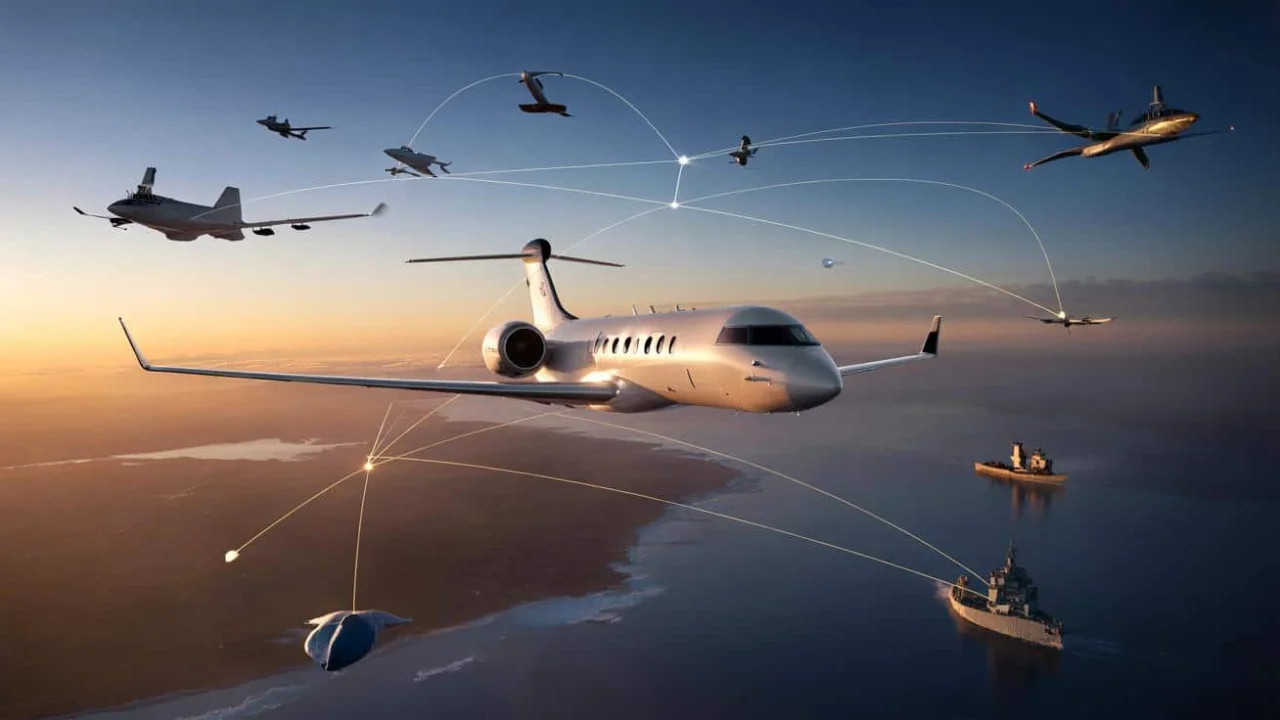
- Real-time data sharing with ground stations and other aircraft
- Significantly reduced crew requirements without sacrificing capability
- Modern communication systems compatible with NATO standards
“These aren’t just newer versions of the same thing,” notes a defense analyst familiar with the program. “The GlobalEye represents a completely different approach to battlefield awareness, where one platform can see everything that matters.”
The real challenge: building France’s new kill web
Here’s where the story gets complicated. Buying two advanced aircraft is the easy part – integrating them into France’s broader defense network is where the real work begins.
France must now transform what military experts call its “kill web” – the interconnected system of sensors, communications, and weapons that modern militaries use to detect and neutralize threats. The GlobalEye AWACS France is purchasing will be the cornerstone of this new network, but it needs supporting infrastructure to reach its full potential.
The current French military operates with systems developed over decades, many of which don’t communicate well with each other. Different branches use different radio frequencies, data formats, and command protocols. This fragmentation made sense when warfare moved slower, but modern conflicts require split-second coordination across all domains.
“You can have the world’s best radar plane, but if it can’t instantly share what it sees with your fighters, your ships, and your ground forces, you’re still fighting with one hand tied behind your back,” explains a NATO interoperability specialist.
The transformation France must undertake includes:
- Upgrading ground control stations to handle GlobalEye data streams
- Modifying existing fighter jets to receive real-time targeting information
- Integrating space-based sensors with airborne platforms
- Training personnel on completely new operational procedures
- Establishing secure communication links with allied forces
What this means for European security
The ripple effects of France’s GlobalEye AWACS decision extend far beyond French borders. European allies are watching closely, as this purchase could influence how the continent approaches collective defense in coming decades.
Sweden’s Saab has positioned the GlobalEye as a European alternative to American-dominated defense systems. If France successfully integrates these aircraft and demonstrates their effectiveness, other European nations might follow suit. This could gradually reduce European dependence on U.S. defense contractors for critical surveillance capabilities.
For everyday Europeans, this shift could mean more coordinated responses to aerial threats, whether from hostile aircraft, cruise missiles, or drone swarms. The enhanced surveillance capabilities of the GlobalEye AWACS France is acquiring will help detect threats earlier and coordinate responses more effectively.
“When you can see a threat 450 kilometers away instead of 300, that’s potentially 10-15 more minutes of warning time,” explains a former air traffic controller. “In military terms, that’s the difference between scrambling fighters successfully or watching helplessly as something gets through.”
The deal also strengthens industrial cooperation between France and Sweden, potentially leading to joint development of future military technologies. Both countries have expressed interest in reducing their reliance on non-European defense suppliers, and this purchase represents a concrete step in that direction.
Timeline and challenges ahead
France faces a tight timeline to make this transformation work. The first GlobalEye AWACS is scheduled for delivery in 2029, giving military planners just five years to rebuild their surveillance and command infrastructure.
The biggest hurdle isn’t technical – it’s cultural. French military branches have operated independently for generations, each developing their own procedures and priorities. The new kill web requires unprecedented cooperation and information sharing between services that have traditionally guarded their capabilities jealously.
Budget constraints add another layer of complexity. While France has committed to the GlobalEye purchase, the supporting infrastructure upgrades could cost significantly more than the aircraft themselves. Parliament will need to approve additional funding for ground stations, communication systems, and training programs.
“Buying the plane is like purchasing a Ferrari,” notes a defense procurement expert. “But you also need to build the roads, train the mechanics, and teach everyone how to drive it properly. That’s where most programs run into trouble.”
FAQs
What is a GlobalEye AWACS and why does France need it?
The GlobalEye AWACS is an advanced airborne radar system that can detect aircraft, ships, and ground targets from hundreds of kilometers away. France needs it to replace aging 1960s-era surveillance aircraft that are becoming too expensive to maintain and vulnerable to modern weapons.
How many GlobalEye aircraft is France buying from Sweden?
France has ordered two GlobalEye AWACS aircraft with an option for two more later. The first deliveries are scheduled between 2029 and 2032.
Why didn’t France buy American AWACS aircraft instead?
France chose the Swedish GlobalEye to strengthen European defense cooperation and reduce dependence on American military suppliers. The GlobalEye also offers more modern technology than aging American alternatives.
What is a “kill web” and why does France need to transform it?
A kill web is the network of sensors, communications, and weapons that modern militaries use to detect and neutralize threats. France must upgrade its systems so the new GlobalEye aircraft can share information instantly with fighters, ships, and ground forces.
Will other European countries buy GlobalEye aircraft too?
It’s possible. If France successfully integrates the GlobalEye into its defense network, other European nations might follow suit as they seek to modernize their own surveillance capabilities and strengthen European defense cooperation.
When will France’s new surveillance capabilities be fully operational?
The first aircraft arrives in 2029, but France needs several years to upgrade supporting infrastructure and train personnel. Full operational capability likely won’t be achieved until the early 2030s.