
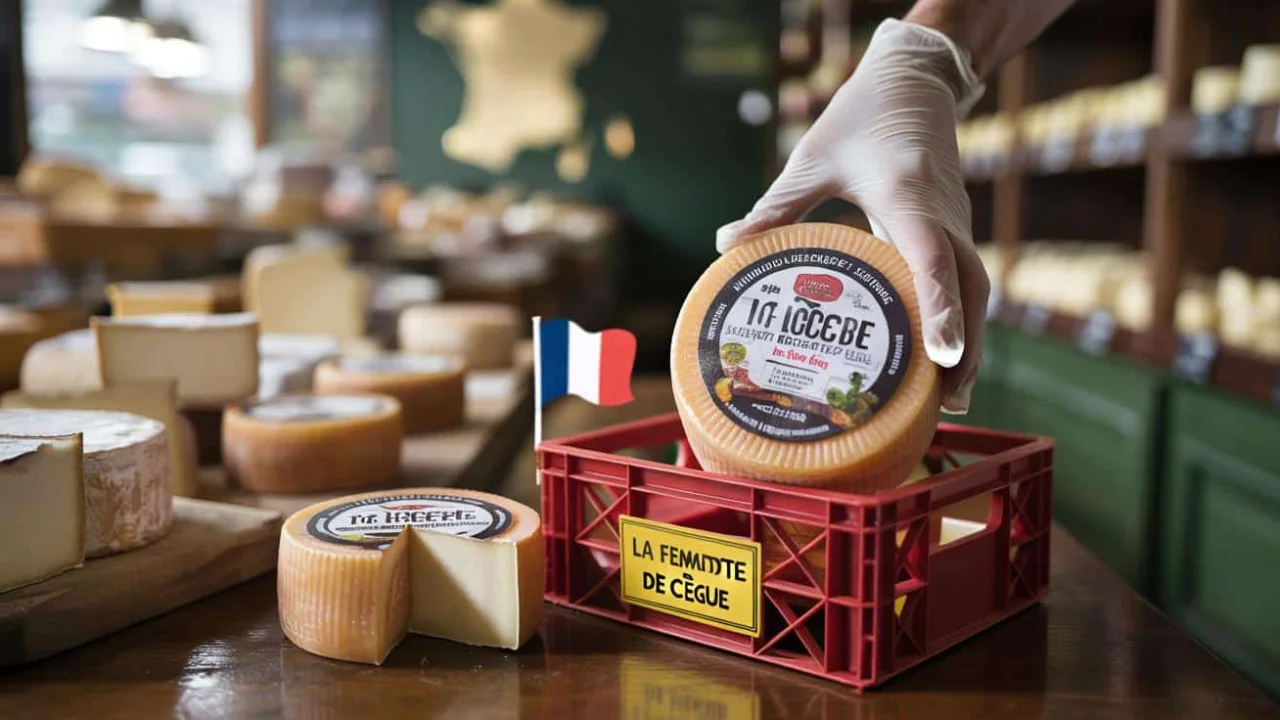
Marie-Claire thought she was treating herself to something special when she picked up that creamy goat cheese from her local delicatessen last weekend. The small wheel of “Bêêle des prés” looked perfect for her dinner party – artisanal, locally-sourced, and beautifully wrapped. She had no idea that same cheese would soon become the center of a nationwide health scare.
Like thousands of other French food lovers, Marie-Claire is now checking her fridge with growing concern. What started as a simple shopping trip has turned into a race against time to identify potentially dangerous cheese sitting in refrigerators across the country.
This isn’t just another routine food recall. When health authorities move this quickly to pull an artisanal product from specialty shops nationwide, you know something serious is happening.
The Urgent Goat Cheese Recall Sweeping France
French health authorities have issued an immediate nationwide recall for a popular goat cheese after discovering dangerous bacterial contamination. The affected product, a soft tommette-style cheese called “Bêêle des prés” from La Ferme de Liègue, has been pulled from shelves across the country due to the presence of Listeria monocytogenes.
This goat cheese recall affects products sold between December 5, 2024, and January 26, 2025, reaching consumers through an extensive network of independent butchers, cheesemongers, and specialty food stores.
“We’re dealing with a contamination that poses real health risks, especially for vulnerable populations,” explains Dr. Sylvie Marchant, a food safety specialist. “Listeria can cause serious illness, and in some cases, it can be life-threatening.”
The recall notice, published on France’s official Rappel Conso platform, warns that consuming this contaminated goat cheese could lead to severe illness. What makes this situation particularly concerning is the widespread distribution network that carried the product to specialty shops across France.
How to Identify the Dangerous Cheese in Your Fridge
If you’ve shopped at any upscale butchers, cheese shops, or delicatessens recently, you need to check your refrigerator immediately. The recalled goat cheese has specific identifying features that make it easy to spot.
Here are the exact details to look for:
| Product Detail | Information to Check |
|---|---|
| Brand Name | La Ferme de Liègue |
| Product Name | “Bêêle des prés” |
| Type | Tommette de chèvre (small goat cheese) |
| Barcode | 3770026529294 |
| Use-by Date | March 11, 2026 |
The most critical information to check are the lot numbers printed on the packaging. The goat cheese recall specifically targets these batch codes:
- CTB031125
- CTB041125
- CTB051125
- CTB291025
- CTB121125
- CTB191125
- CTB261125
- CTB281125
- CTB291125
The cheese was distributed through several major suppliers, including Aumand, Ouest Frais, La boucherie du coin, SAS du Bignon, La Fée Cochette, and Olivier Jouteau. These companies supply hundreds of independent retailers across France.
“People need to understand that this isn’t limited to one region or one type of shop,” warns food safety inspector Claude Bertrand. “This contaminated goat cheese reached specialty stores from Paris to Marseille.”
Understanding the Real Health Dangers
Listeria monocytogenes isn’t just another food bug – it’s a potentially deadly bacteria that can cause serious complications, particularly in pregnant women, elderly people, and anyone with a compromised immune system.
The symptoms of listeriosis can appear anywhere from a few days to several weeks after eating contaminated food. Early warning signs include:
- Fever and muscle aches
- Nausea and diarrhea
- Headache and neck stiffness
- Confusion and loss of balance
For pregnant women, the risks are particularly severe. Listeria infection can lead to miscarriage, premature delivery, or serious illness in newborn babies. Even healthy adults can develop meningitis or blood poisoning from this bacteria.
“We’ve seen listeria outbreaks turn deadly very quickly,” explains Dr. Antoine Dubois, an infectious disease specialist. “That’s why authorities moved so fast on this goat cheese recall – they’re not taking any chances.”
What makes this situation more troubling is that listeria can survive and even multiply in refrigerated conditions. Simply keeping the cheese cold won’t make it safe to eat.
What French Consumers Need to Do Right Now
If you have this goat cheese in your refrigerator, don’t panic – but do act quickly. Health authorities are being crystal clear about what steps to take.
First, absolutely do not eat the cheese, even if it looks, smells, and tastes normal. Listeria contamination isn’t always obvious to the senses. Even taking a small taste to “test” it could put you at risk.
Second, don’t just throw the cheese in your regular trash. Wrap it securely in plastic bags before disposing of it to prevent any potential contamination spread.
Third, thoroughly clean any surfaces, utensils, or containers that came into contact with the cheese using hot, soapy water. Listeria can survive on surfaces for extended periods.
If you’ve already eaten some of this goat cheese, monitor yourself carefully for symptoms over the next few weeks. Anyone experiencing fever, severe headaches, or gastrointestinal problems should contact their doctor immediately and mention the potential listeria exposure.
“The most important thing is not to take risks,” emphasizes public health nurse Claire Moreau. “If you think you might have eaten this cheese, it’s better to check with a healthcare provider than to wait and see what happens.”
Consumers who purchased the affected goat cheese can return it to the store where they bought it for a full refund, even without a receipt. Most specialty food retailers are cooperating fully with the recall process.
This goat cheese recall serves as a reminder that even artisanal, premium food products can pose serious health risks when contamination occurs. The rapid response from French authorities shows how seriously they’re taking this threat to public health.
FAQs
How do I know if I bought the recalled goat cheese?
Check your cheese packaging for the brand “La Ferme de Liègue” and product name “Bêêle des prés” with a March 11, 2026 use-by date and the specific lot numbers listed in the recall notice.
What should I do if I already ate some of this cheese?
Monitor yourself for symptoms like fever, headache, or stomach problems over the next few weeks, and contact your doctor if you develop any concerning symptoms.
Can I get my money back for the recalled cheese?
Yes, retailers are offering full refunds for the recalled goat cheese, even if you don’t have your receipt.
How long can listeria symptoms take to appear?
Symptoms can develop anywhere from a few days to several weeks after eating contaminated food, which is why monitoring is important.
Is it safe to eat other goat cheeses right now?
Yes, this recall only affects the specific “Bêêle des prés” product from La Ferme de Liègue with the identified lot numbers and use-by date.
How did the contamination happen?
Health authorities are still investigating the source of the listeria contamination, but the focus is on protecting consumers by removing the dangerous product from circulation.