
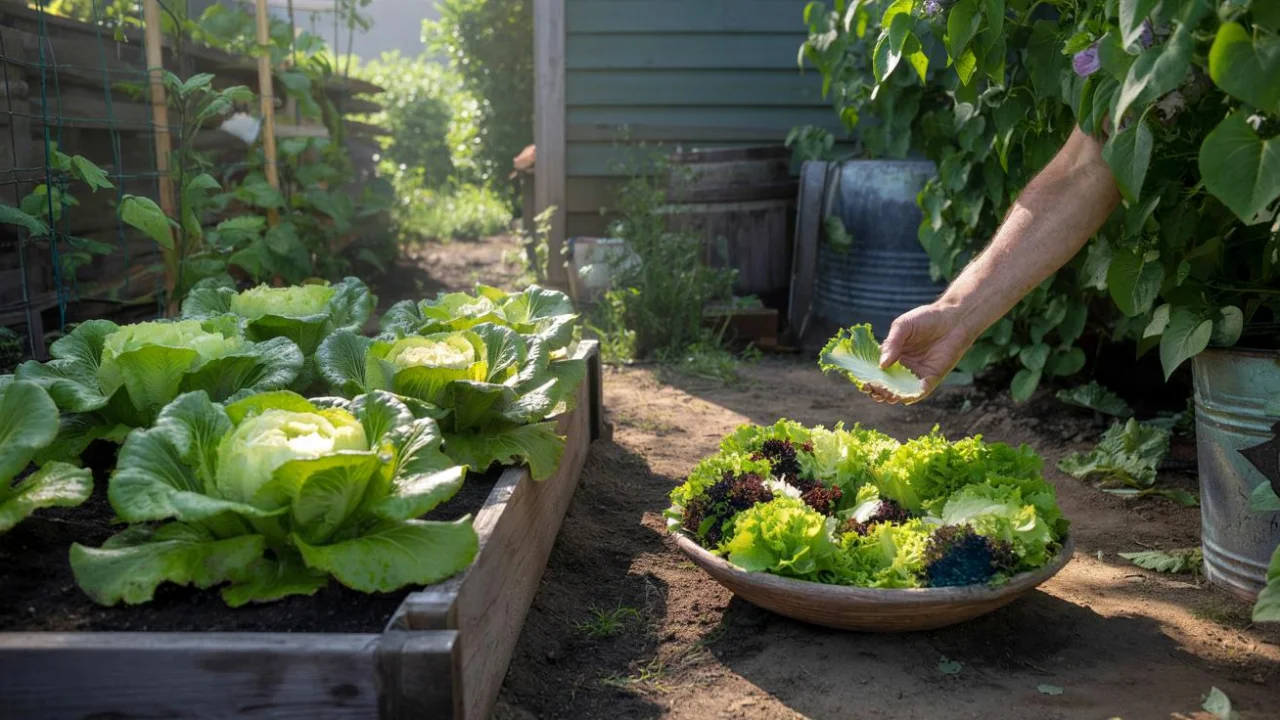
Last spring, I made what felt like a gardening mistake. My sunny raised beds were already full, so I tucked a row of lettuce seedlings behind the old lilac hedge where morning sun barely touched them for three hours. The spot looked forgotten—half-hidden, perpetually damp, definitely not where you’d expect prize lettuce to grow.
Three weeks later, I was standing in my garden with muddy hands, chewing the most tender lettuce leaf I’d grown all season. While my full-sun lettuce had already started turning bitter and tough, these shade-dwellers stayed soft, sweet, and perfect. That moment changed everything I thought I knew about growing salad greens.
Sometimes the best discoveries happen by accident, and this one revolutionized my approach to lettuce gardening forever.
Why Lettuce Actually Thrives in Partial Shade
Most gardening advice pushes us toward full sun for vegetables, but lettuce breaks that rule completely. This cool-season crop originally grew wild in Mediterranean climates, often nestled under larger plants or in naturally shaded spots. When we blast lettuce with eight hours of direct sunlight, we’re actually stressing it into survival mode.
- The 5-second habit that stops you from leaving things behind forever
- Why accepting help triggers shame: the psychology behind rejecting care when you need it most
- Most people keep frequently used items in the wrong spot—this simple trick changes everything
- This slow-simmered dinner secret transforms tough meat into restaurant-quality texture at home
- Why fast cleaning never works—and the simple switch that changed everything
- I stopped overthinking food and finally learned what I was missing at every meal
“Lettuce in full sun races through its lifecycle,” explains Sarah Chen, a horticultural extension agent in Oregon. “The plant thinks it’s in danger, so it bolts to produce seeds quickly. That’s when you get those bitter, tough leaves that nobody wants to eat.”
In partial shade, lettuce behaves differently. The cooler conditions slow its metabolism, allowing leaves to develop their characteristic sweetness and tender texture. The plant focuses energy on leaf production rather than seed development, giving you exactly what you want from your salad garden.
Temperature makes all the difference here. Full-sun lettuce can experience leaf temperatures 15-20 degrees higher than air temperature on hot days. Partial shade keeps those leaves cooler and happier.
The Sweet Spot: Finding Perfect Lettuce Shade Conditions
Not all shade works equally well for lettuce. The key lies in understanding what “partial shade” actually means for your garden. Here’s what creates the ideal environment:
- Morning sun exposure: 3-4 hours of gentle morning sunlight provides energy without stress
- Afternoon protection: Shield from harsh 2-6 PM sun when temperatures peak
- Dappled light: Filtered sunlight through tree canopy works beautifully
- Good air circulation: Prevents fungal issues that can develop in stagnant shade
- Consistent moisture: Shaded soil retains water longer, reducing stress
The magic happens when lettuce gets enough light for photosynthesis but stays cool enough to maintain its natural sweetness. Think of it as creating a natural refrigerator for your salad greens.
| Light Condition | Harvest Window | Leaf Quality | Best Season |
|---|---|---|---|
| Full Sun | 3-4 weeks | Quick to bolt, bitter | Early spring only |
| Partial Shade | 6-8 weeks | Tender, sweet | Spring through fall |
| Full Shade | Very slow growth | Weak, pale leaves | Not recommended |
Real Results: What This Means for Your Garden
Growing lettuce in partial shade extends your harvest season dramatically. While full-sun lettuce typically gives you three to four weeks of good eating before turning bitter, shade-grown lettuce can produce tender leaves for six to eight weeks or longer.
“I’ve had customers tell me their partial shade lettuce stayed harvestable through entire summers,” says Mike Rodriguez, who runs a specialty seed company in California. “That’s unheard of with traditional full-sun planting.”
This approach works particularly well for succession planting. Instead of starting new lettuce every two weeks to maintain continuous harvest, partial shade plantings can overlap more naturally. You’ll spend less time replanting and more time enjoying fresh salads.
The flavor difference becomes obvious in side-by-side tastings. Partial shade lettuce maintains its natural sweetness much longer, with leaves that stay crisp and mild even as temperatures rise. The texture remains tender enough to use in delicate salads rather than requiring cooking or heavy dressings to mask bitterness.
Home gardeners also report better success rates with heat-sensitive varieties like Bibb and Buttercrunch when grown in partial shade. These premium lettuces typically struggle in hot climates but thrive in protected, cooler microclimates.
Creating Your Own Lettuce Shade Garden
You don’t need perfect existing shade to make this work. Many gardeners create their own partial shade using simple techniques that cost almost nothing.
Shade cloth remains the most popular option, providing 30-50% shade over lettuce beds. This flexible material can be adjusted seasonally—more shade in summer, less in cooler months. Row covers also work well, especially lightweight fabrics that filter rather than block sunlight completely.
Companion planting creates natural shade while maximizing garden space. Tall plants like tomatoes, peppers, or even sunflowers can provide afternoon shade for lettuce planted on their east side. This arrangement mimics natural forest ecosystems where smaller plants thrive under larger canopies.
“The north side of my greenhouse stays cool all summer,” notes gardening blogger Lisa Park. “I plant lettuce there continuously from spring through fall and never have bolting problems.”
Existing structures offer ready-made partial shade opportunities. The east side of fences, sheds, or houses often provides perfect morning sun with afternoon protection. These spots typically stay cooler and retain moisture better than open garden areas.
Container gardening works exceptionally well for partial shade lettuce. You can move pots to follow optimal light conditions throughout the season, or cluster them under pergolas and arbors for consistent filtered light.
FAQs
How much shade is too much for lettuce?
Lettuce needs at least 3-4 hours of direct or bright filtered light daily. Full shade will result in weak, pale plants that grow very slowly.
Can I grow lettuce in partial shade year-round?
In mild climates, yes. Cold-hardy varieties can continue growing through winter in partial shade, often producing better than in full winter sun.
Does partial shade lettuce need different fertilizer?
No, the nutritional needs remain the same. However, growth is slower, so you may need to fertilize less frequently than full-sun plantings.
Which lettuce varieties work best in partial shade?
Most lettuce varieties thrive in partial shade, but heat-sensitive types like Bibb, Buttercrunch, and loose-leaf varieties show the most dramatic improvement.
Will partial shade lettuce have less nutritional value?
Actually, cooler growing conditions often result in higher concentrations of vitamins and beneficial compounds because the plant isn’t stressed.
How do I prevent fungal problems in shaded, moist conditions?
Ensure good air circulation, avoid overhead watering, and space plants appropriately. Morning sun helps dry dew quickly, reducing disease risk.